
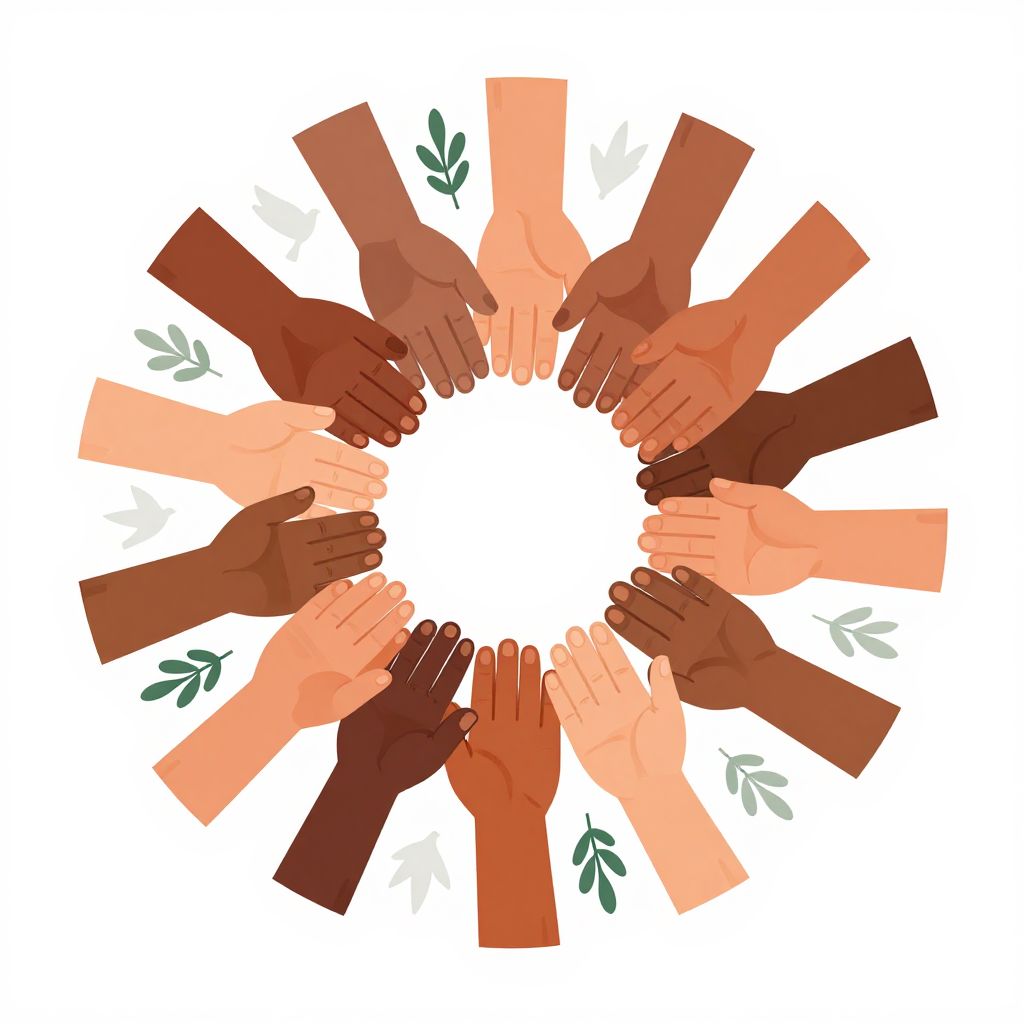
In a world filled with tension and division, the topic of race often weighs heavily on the hearts of many. People may wonder how their faith intersects with issues of ethnicity and culture, seeking clarity in a complex landscape. Understanding what the Bible says about race provides a framework for better relationships, mutual respect, and, ultimately, love.
Scripture expresses profound truths about humanity’s diversity. It reveals that God created each person in His image, emphasizing the unity and value of people across all races. This foundation matters deeply in how we respond to one another amidst our differences.
What Does The Bible Say About Race?
The Bible teaches that all people, regardless of race, are made in God’s image and are equal in His eyes. Galatians 3:28 clarifies, “There is neither Jew nor Gentile, neither slave nor free, nor is there male and female, for you are all one in Christ Jesus.” This verse highlights the unity and worth of all believers, transcending racial and social boundaries.
The Creation of Humanity
Genesis 1:26-27 begins the story by affirming that God created humans in His likeness. “So God created mankind in his own image, in the image of God he created them; male and female he created them.” This declaration establishes the foundational truth: every race and ethnicity has inherent dignity.
Diversity in Creation
In Revelation 7:9, John sees a vision of heaven: “After this I looked, and there before me was a great multitude that no one could count, from every nation, tribe, people and language.” This picture reflects God’s design for diverse worship and a unified body of Christ that honors various cultures.
The Fall and Its Impact
After the Fall, humanity experienced division, leading to conflict and prejudice among different groups. Sin disrupts God’s original design for unity. Throughout the Bible, we see God calling His people back to love and respect across boundaries.
God’s Call for Unity and Reconciliation
The New Testament emphasizes reconciliation among all people. Paul wrote in Ephesians 2:14, “For he himself is our peace, who has made the two groups one and has destroyed the barrier, the dividing wall of hostility.” This teaching stresses Christ’s work in breaking down racial and cultural barriers, fostering unity in the Church.
Practical Implications for Believers
As believers, we must actively pursue reconciliation in our communities. This pursuit means standing against prejudice and injustice. It calls for humility and a willingness to listen and learn from others’ experiences.
Understanding Prejudice in the Bible
James 2:1 warns against favoritism, stating, “My brothers and sisters, believers in our glorious Lord Jesus Christ must not show favoritism.” Honor is due to all people—showing favoritism contradicts biblical principles of equality.
Promoting Racial Harmony
Jesus highlighted love as central to His teachings. Mark 12:31 encourages us to love our neighbors as ourselves. This command extends beyond personal relationships to our communities and society at large.
Jesus’ Model of Inclusion
Throughout the Gospels, Jesus interacts with people from diverse backgrounds, including Samaritans, Romans, and outcasts. He breaks societal norms to exemplify unconditional love and acceptance. This model challenges us to welcome those who are different from us.
The Church’s Responsibility
The mission of the Church includes addressing racial issues. Leaders and congregations are called to promote inclusive environments where everyone feels valued and loved. What steps is your church taking to foster unity and diversity?
Scriptural Examples of Racial Unity
The early Church provides practical examples of racial unity. Acts 10 tells of Peter and Cornelius, revealing how God opened doors for Gentiles to receive the Gospel. Peter’s initial hesitation transformed into acceptance, showcasing God’s desire to unite all people in faith.
Jesus and the Woman at the Well
John 4 presents Jesus’ encounter with a Samaritan woman. He breaks cultural barriers by speaking to her, revealing His mission to bring salvation to all, not just Jews. This story illustrates radical love and acceptance transcending entrenched ethnic divisions.
The Good Samaritan
In Luke 10:25-37, Jesus tells the parable of the Good Samaritan. He challenges His listeners to redefine “neighbor” and demonstrates love by caring for someone from a different race. This parable emphasizes the call to show compassion towards all, regardless of cultural differences.
Responding to Racial Injustice
Believers cannot remain passive in the face of racism and injustice. The Bible calls for righteous living, advocating for the oppressed and voicing concerns against wrongdoing. Micah 6:8 instructs us to “act justly and to love mercy and to walk humbly with your God.”
The Prophets’ Call for Justice
The prophets of the Old Testament frequently addressed issues of social justice, emphasizing that God values equity. Amos 5:24 states, “But let justice roll on like a river, righteousness like a never-failing stream!”
The Example of Early Believers
Early Christians stood against injustices of their time, embodying faith through action. They demonstrated that faith without works is dead (James 2:26). Believers today must likewise embody their faith through social action and advocacy for those treated unjustly.
Encouragement for Personal Reflection
As this topic prompts deep thought, consider the biases or misconceptions you hold. Have you ever struggled with prejudices? Reflect on how God desires to shape your heart toward others in practical ways.
Creating Spaces for Dialogue
Fostering conversations about race within communities is essential for growth. Encourage open discussions about experiences and beliefs, allowing for collective understanding and healing.
Educating Oneself and Others
Education serves as a powerful tool in combating ignorance and prejudice. Seek opportunities to learn about different cultures and histories, enriching your perspective and strengthening communal bonds.
Ways to Cultivate Racial Unity as a Christian
Cultivating racial unity demands intentional effort. Here are practical steps to promote unity:
- Engage in honest conversations about race in your community.
- Support ministries and organizations focusing on racial reconciliation.
- Pray for understanding and healing among different groups.
- Listen actively to the stories of those from other races.
- Participate in programs promoting diversity and inclusion.
The Role of Prayer in Racial Reconciliation
Prayer is foundational for healing divisions. James 5:16 encourages believers, “The prayer of a righteous person is powerful and effective.” Pray for God’s guidance in addressing racial issues, healing hearts, and fostering understanding.
What About Interracial Relationships?
The question of interracial relationships often arises in discussions about race and the Bible. Scripture does not explicitly prohibit interracial marriages. Instead, it emphasizes spiritual unity over ethnic or cultural differences.
The Importance of Spiritual Compatibility
2 Corinthians 6:14 reminds partners to avoid unequal yokes, emphasizing the importance of shared faith rather than race. A relationship rooted in Christ fosters harmony regardless of racial backgrounds.
God’s Design for Marriage
Marriage reflects God’s image and purpose, transcending cultural divisions. The Bible encourages believers to marry in the faith but provides freedom in racial context. For those curious about inter-race marriage issues, consider exploring resources about biblical perspectives on interracial marriage.
For further reading, check out what the Bible says about interracial marriage.
Conclusion
Scripture paints a beautiful picture of unity among diversity. God calls His people to love one another, embracing differences as a testament to His creativity. As you reflect on these truths, aim to foster an environment of love, acceptance, and understanding. In your personal life, actively pursue racial reconciliation, champion justice, and create spaces for dialogue and education.
During your prayers, ask God to shape your heart toward love and compassion for all people. Let His desire for unity resonate in your actions, words, and relationships. Take the message of the Gospel—the message of hope, love, and acceptance—to every corner of the world.
Explore more faith-based topics and articles that help you grow in your understanding of God’s love and truth. You may find insights about mixing races, and how God views marriage across cultures.