
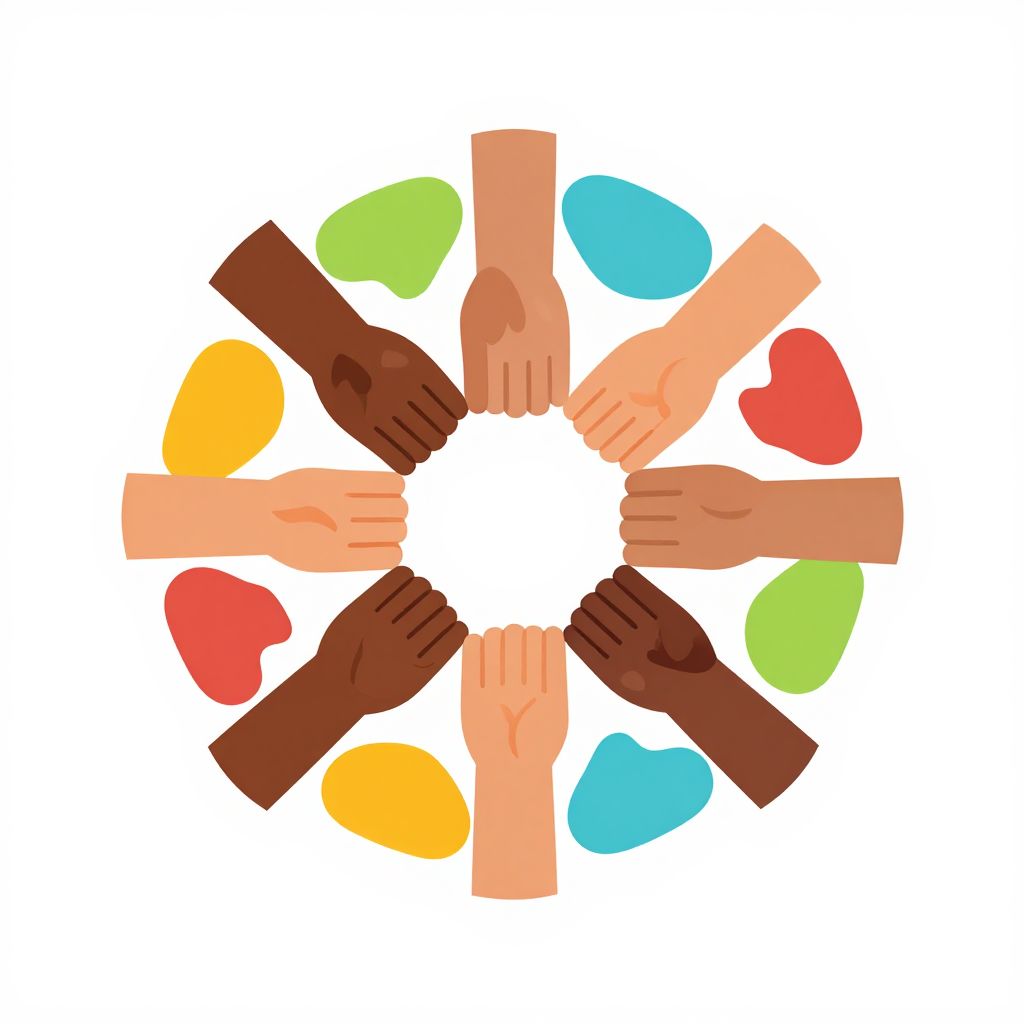
Have you ever pondered how God’s Word informs our understanding of race and relationships? With a world increasingly interwoven through cultures and colors, the stirring question arises: what does the Bible say about mixing races? Understanding this topic matters greatly, not only for our personal relationships but for how we reflect God’s love in a diverse world.
The Bible offers profound insights about mixing races, emphasizing unity among believers. In Galatians 3:28, Scripture affirms that “there is neither Jew nor Greek, bond nor free, male nor female: for ye are all one in Christ Jesus.” This truth stands as a cornerstone for embracing God’s vision for a unified humanity.
What Does The Bible Say About Mixing Races Kjv?
The Bible teaches that mixing races should be approached with love and understanding. It emphasizes that all people, regardless of ethnic background, are created in the image of God (Genesis 1:27). This affirmation reminds believers that diversity reflects God’s creativity and power.
The Biblical Perspective on Culture and Race
God’s Word demonstrates a clear perspective on culture and race. Several examples throughout Scripture illustrate this point:
- In the Old Testament, Ruth, a Moabite, becomes part of the lineage of Jesus through her faithfulness and dedication (Ruth 1:16-17). This inclusion showcases God’s acceptance of diverse backgrounds.
- In Acts, the early church expanded beyond Jewish disciples. Peter’s vision (Acts 10) opened the door for Gentiles to receive the Gospel, affirming God’s impartial nature and His love for all nations.
- The Great Commission (Matthew 28:19) urges believers to go into all nations, teaching and baptizing them. Here, God’s call to unity transcends racial and cultural boundaries.
What About the Old Testament Commandments?
Some might reference Old Testament laws that warned against intermarriage with foreign nations (Deuteronomy 7:3). However, these warnings focused on the influence of pagan practices rather than race itself. God desired to protect His people from the moral decay of idol worship.
In the New Testament, Paul affirms that God’s grace extends to all races, indicating that spiritual unity supersedes racial lines. This fulfills God’s original intent that all nations honor Him.
The Nature of Unity in Diversity
Unity does not mean erasing differences. God celebrates diversity as intrinsic to His creation. The Church is likened to a body, where each part serves a distinct function (1 Corinthians 12:12-27). Without all parts, the body would be incomplete, as each contributes to the beauty of God’s plan.
Are you aware of your role within the body of Christ? Your unique background and experiences enrich the faith community. Embracing the beauty of diversity can enhance our relationships and witness to others.
The Importance of Love and Acceptance
God calls believers to love one another (John 13:34-35). This love is the foundation upon which relationships are built, allowing us to break down racial barriers. Acceptance opens doors not only to friendships but also to deeper connections, fostering a united church that mirrors God’s Kingdom.
How can you practically show love to those from different backgrounds? Consider engaging in community events, learning about other cultures, or even dining with someone from a different race. Such actions communicate love and acceptance.
Overcoming Prejudice and Bias
In a world where prejudice sometimes permeates society, Christians need to stand against bias. Romans 12:2 instructs believers to not conform to the patterns of this world but to be transformed by the renewing of the mind. This renewal includes examining hearts and biases about race and ethnicity.
The Bible encourages believers to actively dismantle prejudices. How can one confront biases that may linger silently? Self-reflection, dialogue with others, and seeking guidance from Scripture can facilitate this process.
Building Bridges Not Walls
Christians should pursue understanding instead of division. Building bridges involves listening, learning, and sharing experiences. Viewing conversations about race through the lens of God’s love offers hope for reconciliation and unity.
What steps can you take to build bridges? Start by reaching out to someone of a different background. Honest conversations can lead to lasting relationships, transforming views and fostering harmony.
The Role of the Church in Promoting Unity
The church serves as an agent of reconciliation. Ephesians 2:14 reminds that Christ is our peace, who breaks down walls of partition. The local church must reflect this peace by being a welcoming space for all races and cultures.
Local congregations can promote unity through various practical approaches:
- Organizing multicultural events that celebrate diversity.
- Including diverse voices in leadership and decision-making.
- Offering classes on cultural sensitivity and mutual respect.
The Power of Prayer for Racial Unity
Prayer plays a vital role in fostering racial harmony. When believers pray for one another, they invite God into the conversation, seeking His guidance and healing. James 5:16 encourages earnest prayer as a means to bring about change.
How often do you pray for racial unity? Make this focus a regular part of your prayer life, asking God to help cultivate love, acceptance, and understanding within your sphere of influence.
God’s Heart for the Nations
God’s plan encompasses all nations and races. Revelation 7:9 reveals a powerful image of every nation, tribe, people, and language standing before the throne of God. This future reality challenges believers today to reflect that same diversity in their communities and churches.
In what ways can your faith community better reflect the diversity of God’s creation? Consider new partnerships, outreach programs, or mission work that emphasizes cultural inclusivity.
Faithfulness in Our Witness
How believers respond to issues of race can impact their witness. In a world fraught with division, demonstrating love across racial lines can serve as a powerful testimony of Christ’s transformative work. “By this, all men will know that you are My disciples” (John 13:35).
Is there someone you can reach out to today and show the love of Jesus? Each small act contributes to a larger movement of unity and acceptance.
Responding to Cultural Differences with Grace
Encountering cultural differences often calls for grace and patience. James 1:19 emphasizes being “swift to hear, slow to speak, slow to wrath.” Such an approach can diffuse tension and promote understanding, fostering better relationships among diverse individuals.
How do you typically respond when faced with cultural differences? Taking time to listen before responding can open doors to meaningful dialogue and deeper connections.
The Call to Action for Believers
As believers in Christ, all are called to action. Colossians 3:12-14 instructs to “put on therefore, as the elect of God, holy and beloved, bows of mercies, kindness, humbleness of mind, meekness, longsuffering; forbearing one another, and forgiving one another…”
This call invites intentional action against division, encouraging believers to commit to unity through love. Practical steps can include building diverse friendship circles and engaging in community service together.
Answering the Tough Questions
Discussions about race often bring challenges. Some may wonder about the implications of mixed-race relationships or children. Christians must approach these conversations with humility and grace, grounded in biblical truth.
Consider the rich tapestry of families in Scripture, including those of mixed heritage, like Solomon and the Moabite Ruth. These stories remind that God’s purpose transcends cultural backgrounds and is focused on hearts.
Addressing Concerns with Scripture
When discussing concerns related to race, always turn to God’s Word. Implementing biblical principles promotes spiritual growth and healing. Share the redeeming love of Christ, which brings hope amidst societal divides.
Does Scripture inform how you approach conversations about race? Reflect on passages that emphasize love and acceptance and prepare to share those with others.
Encouragement for Today’s Challenges
Facing challenges related to race can be daunting. However, believers have the assurance of God’s presence. Isaiah 41:10 reminds that God is with us, providing strength amid fear and uncertainty.
What part can you play in cultivating an atmosphere of encouragement in your community? Amplifying voices of diversity and showing support to those from different backgrounds fosters a brighter future.
Conclusion: A Call to Embrace One Another
In closing, mixing races is more than an idea; it is God’s intention for humanity. Embracing unity in diversity enriches our understanding of God and each other. The Bible affirms that we are all created in His image, which challenges us to live out that truth daily.
Commit to reaching across racial divides, building relationships grounded in love. Pray for guidance as you seek to reflect God’s heart for all nations. Let your actions speak of His grace, love, and the beautiful tapestry of God’s creation.
Explore faith-based topics and articles to deepen your understanding and inspire growth. Consider learning more about loving others and understanding the significance of affectionate relationships in God’s plan.