
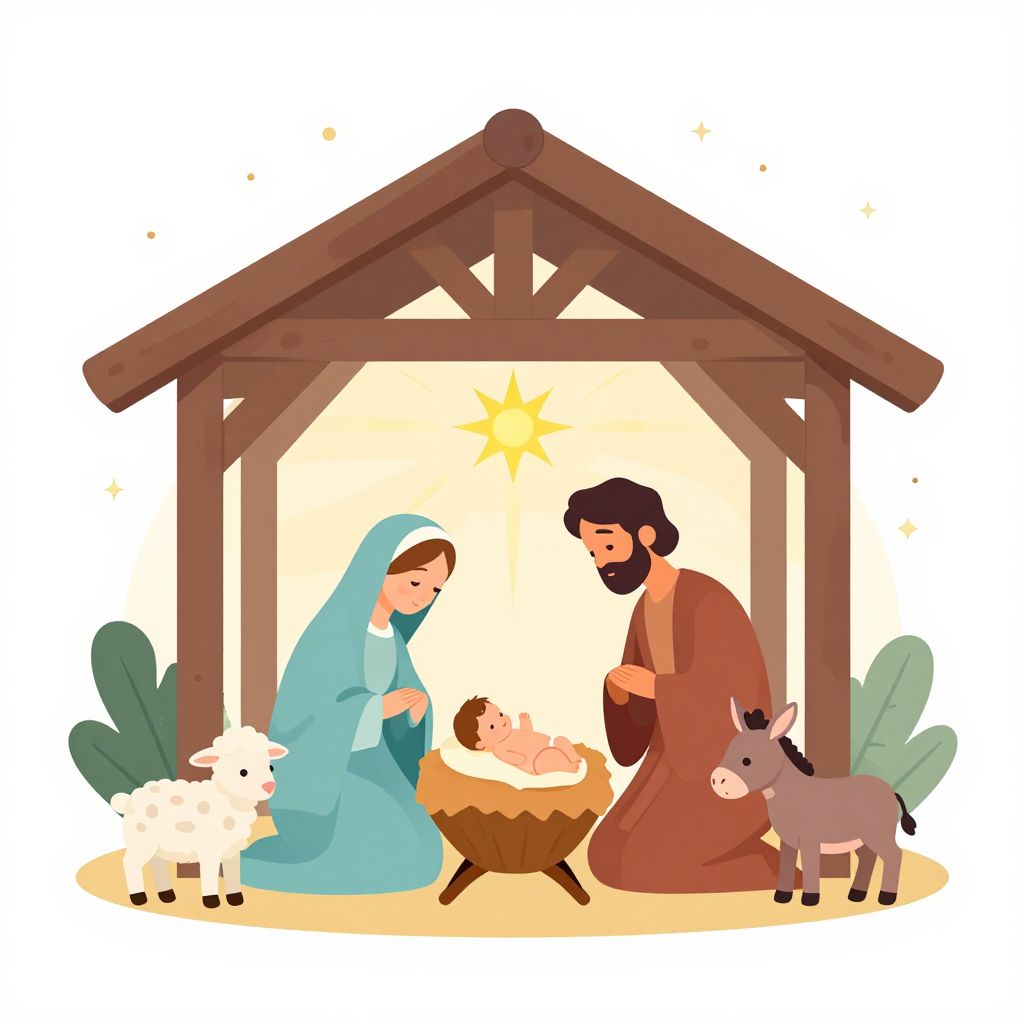
Have you ever pondered how a humble birth transformed the course of history? The significance of Jesus’ birth extends far beyond a simple nativity scene and touches the very heart of the Christian faith. Understanding where the Bible discusses this pivotal moment deepens appreciation for God’s love and plan for humanity.
Throughout Scripture, several passages detail the miraculous nature of Jesus’ birth, including prophecies and narratives that fulfill God’s promise. This article will explore those key passages and their profound implications on our faith.
Where In The Bible Does It Talk About Jesus Birth?
The Bible discusses Jesus’ birth primarily in the Gospels of Matthew and Luke. Matthew 1:18-25 outlines the events leading to Jesus’ birth, while Luke 1:26-38 offers insight into the announcement of His birth to Mary. Luke 2:1-20 details the manger scene and the shepherds who received the message of His arrival.
Matthew’s Account
The Gospel of Matthew provides a genealogy connecting Jesus to David, emphasizing His rightful place in Jewish history. In Matthew 1:18-25, the narrative unfolds with Joseph discovering Mary’s pregnancy. He plans to divorce her quietly until an angel reassures him.
Matthew 1:20-21 states, “But after he had considered this, an angel of the Lord appeared to him in a dream and said, ‘Joseph son of David, do not be afraid to take Mary home as your wife, because what is conceived in her is from the Holy Spirit. She will give birth to a son, and you are to give him the name Jesus, because he will save his people from their sins.’”
This announcement emphasizes Jesus’ unique identity and foreordained purpose. Reflect on how this divine assurance affected Joseph’s decision to stand by Mary, thereby fulfilling God’s plan.
Luke’s Account
Luke provides a more detailed narrative about the events surrounding Christ’s birth. In Luke 1:26-38, the angel Gabriel visits Mary to announce that she will conceive Jesus through the Holy Spirit. Luke 1:31 states, “You will conceive and give birth to a son, and you are to call him Jesus.”
Mary’s response showcases her faith and willingness to submit to God’s will: “I am the Lord’s servant. May your word to me be fulfilled” (Luke 1:38). Her humble acceptance offers a model of obedience for Christians today.
The Nativity Scene
Luke 2:1-20 records the actual birth of Jesus, occurring in Bethlehem. The decree from Emperor Caesar Augustus required Joseph and Mary to travel there, fulfilling the prophecy of Micah 5:2 that the Messiah would be born in Bethlehem. The humble setting in a manger reveals the profound nature of Jesus’ entrance into the world.
Verses 6-7 say, “While they were there, the time came for the baby to be born, and she gave birth to her firstborn, a son. She wrapped him in cloths and placed him in a manger, because there was no guest room available for them.”
Consider how the birth of the King of Kings happened in such lowly circumstances. Does this challenge your expectations of how God might work in your life?
The Shepherds and the Angels
Following the birth, angels proclaim Jesus’ arrival to shepherds who are watching their flocks at night. In Luke 2:10-11, an angel of the Lord declares, “Do not be afraid. I bring you good news that will cause great joy for all the people. Today in the town of David, a Savior has been born to you; he is the Messiah, the Lord.”
This announcement brings hope and joy, reflecting Jesus’ universal significance. The shepherds’ response exemplifies the call to witness and share God’s grace: “Let’s go to Bethlehem and see this thing that has happened” (Luke 2:15).
Prophetic Fulfillment
Various Old Testament prophecies foreshadow Jesus’ birth, grounding His arrival in the biblical narrative. For instance, Isaiah 7:14 prophesies a virgin bearing a son, declaring His name to be Immanuel, meaning “God with us.”
As we read these prophecies, reflect on their fulfillment in Jesus’ story. What does it imply about God’s character as a promise-keeper?
The Significance of the Manger
The location where Jesus was born, a manger, symbolizes humility and accessibility. In Luke 2:12, the angel instructs the shepherds to find the baby wrapped in swaddling cloth and lying in a manger. This sign leads them to recognize Jesus as the Messiah.
Have you ever thought about what it means that God chose such a modest beginning for His Son? The manger invites those from all walks of life to approach Him freely.
Why Jesus’ Birth Matters
Understanding Jesus’ birth carries immense significance for believers. It reveals God’s nature, emphasizes His plan for redemption, and demonstrates His incredible love for humanity. In becoming flesh, God broke into human history to offer salvation.
Emmanuel: God With Us
Jesus’ birth signifies God taking on human form. In John 1:14, we read, “The Word became flesh and made his dwelling among us.” This incarnation allows believers to relate to God in a personal way.
What does it mean to you that God chose to be with us, experiencing life as we do? How does that understanding affect your relationship with Him?
Grace and Redemption
The birth of Jesus sets the stage for His life, death, and resurrection, embodying grace and offering redemption to all. Galatians 4:4-5 declares, “But when the set time had fully come, God sent his Son, born of a woman, born under the law, to redeem those under the law.”
Reflect on the grace you receive through Jesus. How does your understanding of His sacrifice influence how you live?
Hope in a Broken World
Jesus’ humble beginnings provide hope in a world filled with sorrow and challenges. His birth reminds believers that God can bring greatness out of small beginnings, demonstrating His sovereignty and purpose.
When facing difficulties, how might you find strength in knowing Jesus came into the world amidst adversity? Think about His ability to empathize with your struggles.
Responding to the Gift of Jesus’ Birth
Recognizing the importance of Jesus’ birth invites a response from every believer. The following action steps offer ways to deepen faith and understanding:
- Embrace humility by acknowledging the significance of Christ’s birth in your life.
- Reflect on Scripture, especially the nativity accounts in Matthew and Luke.
- Share the news of Jesus’ birth with others, just as the shepherds did.
- Pray for insight into how Jesus’ birth impacts your life and faith journey.
- Participate in community celebrations of Christ’s birth, fostering fellowship and remembrance.
Engaging with the story of Jesus’ birth allows believers to experience His love more fully. Each action step draws us closer to understanding the central narrative of the Gospel.
Conclusion
Jesus’ birth remains one of the most significant events in human history, encapsulating the essence of hope, love, and redemption. The biblical accounts in Matthew and Luke guide us to appreciate this miraculous event and its implications for our lives. As God’s promises unfold through history, they invite a deeper relationship with Him.
How will you respond to this gift? Will you draw closer to God and allow the message of Jesus’ birth to transform your life?
Explore more faith-based topics and articles, including why God chose Mary to be the mother of Jesus and the meaning of a manger in the Bible.
For further reading, visit: Why God Chose Mary and Meaning of a Manger.