
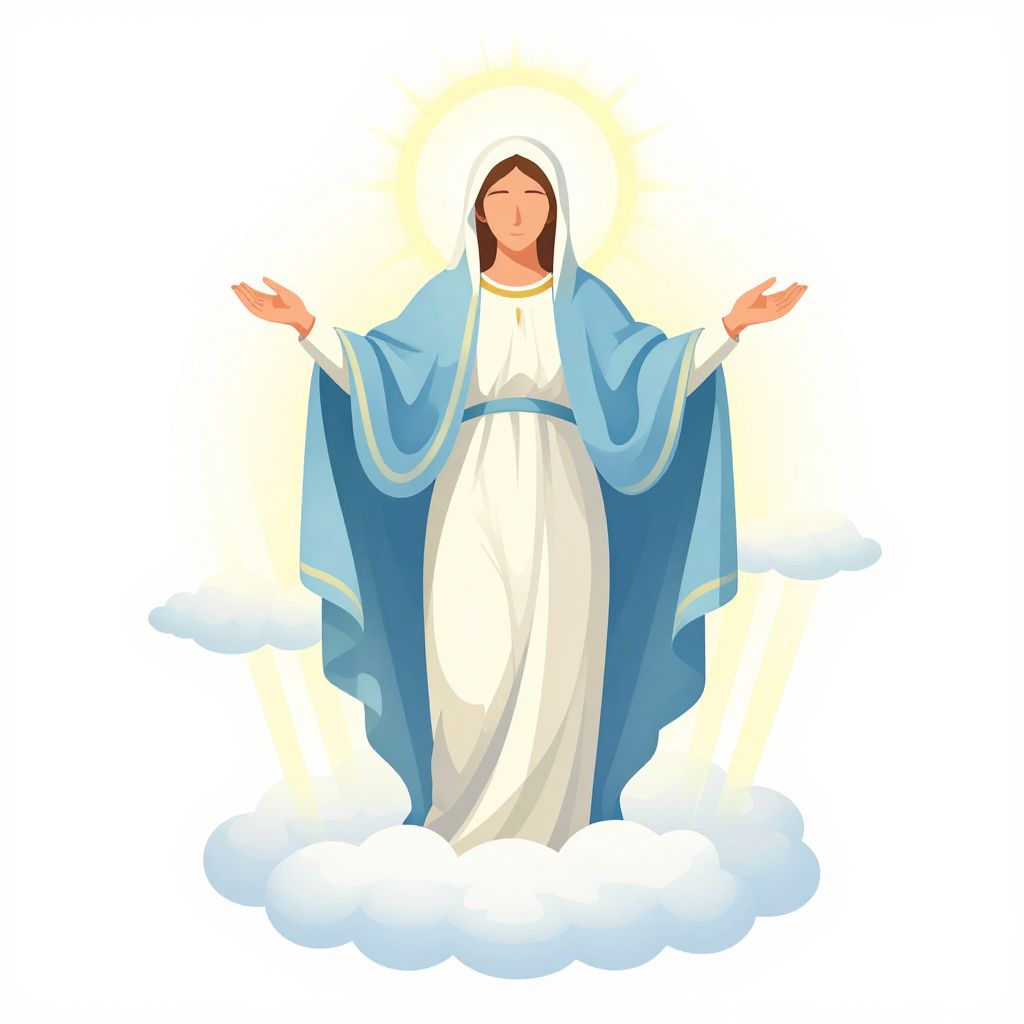
Have you ever wondered about the early life of Jesus and the role Mary played throughout? Her presence resonates deeply in Christian faith, leaving many curious about her life and death. The question of when Mary, the mother of Jesus, died invites us to explore her life and legacy in light of Scripture.
This article will examine the uncertainty surrounding the timing and circumstances of Mary’s death, while reflecting on the profound spiritual truths that stem from her story. Understanding her life journey enriches our faith and reveals God’s purpose through His chosen vessels.
When Did Mary Mother Of Jesus Die?
While the Bible does not specify the exact date or circumstances of Mary’s death, tradition suggests she likely died around the year 41 AD. This estimation is based on historical accounts and her role in the early church, although it remains largely speculative.
Scriptural Context of Mary’s Life
Mary’s journey begins in the Gospel of Luke, where the angel Gabriel announces her miraculous pregnancy (Luke 1:26-38). This moment signifies her obedience and faith. She willingly accepted God’s call, which set the stage for the Nativity and Jesus’ ministry.
Mary’s prominence in the Gospels provides glimpses into her character. She is portrayed as a contemplative figure, reflecting deeply on the events surrounding her child’s birth (Luke 2:19). Her heart bears witness to God’s work, a reminder that reflection on Scripture enriches understanding.
The Silence in Scripture
After the early chapters of the Gospels, Mary’s presence diminishes. We see her at significant moments, such as the wedding at Cana (John 2:1-12) and at the foot of the cross (John 19:25). This limited mention leads to questions: What was her life like after these events? How did she spend her final years?
Scripture does not provide a clear answer. However, it underscores a valuable truth: God often operates in silence. Can we trust Him in our own silent seasons where answers are not readily visible? The absence of specific details about Mary’s later life invites reflection on God’s broader plan, reinforcing the need for faith.
Traditions and Historical Accounts
Various traditions and historical texts offer insights into Mary’s death. The Protoevangelium of James, a non-canonical gospel from the second century, provides accounts of her later life. It describes her living in Ephesus, taken care of by the apostle John after Jesus’ crucifixion, per Jesus’ dying words (John 19:26-27).
This tradition suggests that Mary lived for many years after Jesus’ resurrection. Such accounts paint her as a spiritual matriarch, deeply involved in early Christian communities. While intriguing, these texts are not Scripture and should not be treated as definitive.
Significance of Mary’s Role in Early Christianity
Mary’s position in the early church highlights her importance in the transition from Christ’s earthly ministry to the establishment of the church. She would have witnessed the events of Pentecost when the Holy Spirit empowered the apostles (Acts 2). This highlights God’s work through Mary, guiding her steps and the steps of the early believers.
Mary remains a figure of deep devotion and motherly love. Her example encourages believers to embrace God’s calling in their lives. Are we willing to say, “Let it be to me according to your word” as she did (Luke 1:38)?
Mary’s Death in Christian Traditions
In Eastern Orthodox tradition, Mary is believed to have died a natural death. The Feast of Dormition commemorates her falling asleep in the Lord, teaching the faithful about her peaceful passing. The Catechism of the Catholic Church articulates a belief in her Assumption, suggesting she was taken body and soul into heaven, emphasizing her unique role and sinlessness.
These traditions highlight how differing perspectives can enrich one’s understanding of Mary’s significance. Seeking her as a model of faith encourages individuals to look beyond their struggles and focus on Christ.
Reflecting on Mary’s Legacy
Mary’s life beckons us to recognize our roles within God’s story. She emphasizes the power of faith through her obedience, sacrificing her comfort for God’s calling. Have you taken time to reflect on how God may be calling you today?
Mary embodies love, compassion, and steadfastness. She provides an example of what it means to trust God, regardless of the uncertainty surrounding our lives. Each believer can carry forward Mary’s legacy by living in faith and demonstrating love to others.
The Influence of Mary in Christian Living
Mary’s story encourages a spirit of servitude and humility. Her willingness to serve God’s purpose is a poignant reminder that every moment can be sacred. Just like Mary, we also can say yes to God’s daily invitations, whether that means supporting others through kindness or being present for a friend in need.
Sharing in Mary’s heart can inspire transformative experiences. Christ invites all believers to reach out, live in community, and share their gifts. Are you stepping into the moments where God may be calling you to serve?
The Assurance of Resurrection
When contemplating Mary’s death, Christians hold onto the hope of resurrection. Her life exemplifies the promise Jesus made to all believers: eternal life. This assurance provides solace in the face of loss and uncertainty.
John 11:25-26 teaches, “Jesus said to her, ‘I am the resurrection and the life. The one who believes in me will live, even though they die; and whoever lives by believing in me will never die. Do you believe this?'” This statement invites an examination of personal faith and understanding of life beyond earthly existence.
Living in Light of Eternal Hope
Mary’s death, though not recorded, reminds the faithful to concentrate on the eternal perspective. Embracing the promise of resurrection spurs perseverance amid life’s challenges. Reflecting on Mary prompts believers to consider their own mortality and the hope that lies ahead.
Consider: How are you living in light of the resurrection? Are there aspects of your life where hope needs to flourish? The call to live boldly remains; it encourages believers to share the love of Christ with the world.
The Call to Prayer and Reflection
As contemplation of Mary’s death encourages a deeper relationship with God, consider incorporating prayer into daily life. Seeking God in prayer helps cultivate an openness to His leading. Ask God for wisdom and guidance, just as Mary sought strength amid uncertainty.
Create spaces for quiet reflection, allowing time for God to speak. Begin each prayer with an acknowledgment of His greatness, thanking Him for the legacy of faith exemplified by Mary. How can these moments of prayer transform your understanding of God’s purpose for you?
Steps to Grow in Faith
Growing in faith means actively seeking God and walking in His ways. Consider these practical steps:
- Set aside regular time for prayer and Scripture reading.
- Engage in a community of believers for support and encouragement.
- Reflect on Mary’s example and embrace your God-given purpose.
- Share your faith journey with those around you, just as Mary did by nurturing Christ during His life.
- Participate in service opportunities that reflect God’s love.
These steps cultivate an environment where faith flourishes. Engaging in community and acts of love helps solidify your commitment to God’s call.
Sustaining a Relationship with Mary
Mary serves as a helpful intercessor for believers. Inviting her into prayer life can create a deeper connection to God. Many Christians find solace in praying the Hail Mary, recognizing her role in God’s divine plan. Asking for her intercession deepens faith.
Reflect on the qualities you admire in Mary—her faith, humility, and dedication. Let these attributes guide your interactions with others as you uphold the foundational principles of love and service.
Consider ways to honor Mary’s legacy in personal life. Share her story with others, allowing the truths of her faith to encourage those around you. Challenge yourself to embody her spirit of love as you engage with the world.
Peace Amid Uncertainty
The uncertainty surrounding Mary’s death raises many questions. Regardless of her formal end, the embrace of eternal life remains a cornerstone of Christian belief. The assurance we find in Christ brings peace and hope amid unrest.
Reflect on how faith offers a anchor during turbulent times, reminding us of God’s sovereignty. In life’s fleeting moments, we can find refuge in the promise of resurrection and eternity with Him. Are you resting in that promise today?
Final Thoughts
Whether it’s through prayer, service, or quiet reflection, learning from Mary’s life unveils meaningful truths. Her faith journey encourages believers to apply spiritual lessons daily, affirming the beauty of trust in God. This exploration of her legacy inspires growth, and fosters resilience in challenging moments.
As you consider your own faith story, remember the hope offered through Christ, echoing through Mary’s life. Claim the promise of His presence in every season and strive to embody the love reflected through her. Thank God for the role of Mary in salvation history and her enduring legacy in the Christian faith.
Explore more faith-based topics and articles. Discover more about why God chose Mary and how Jesus is Lord in your life journey.