
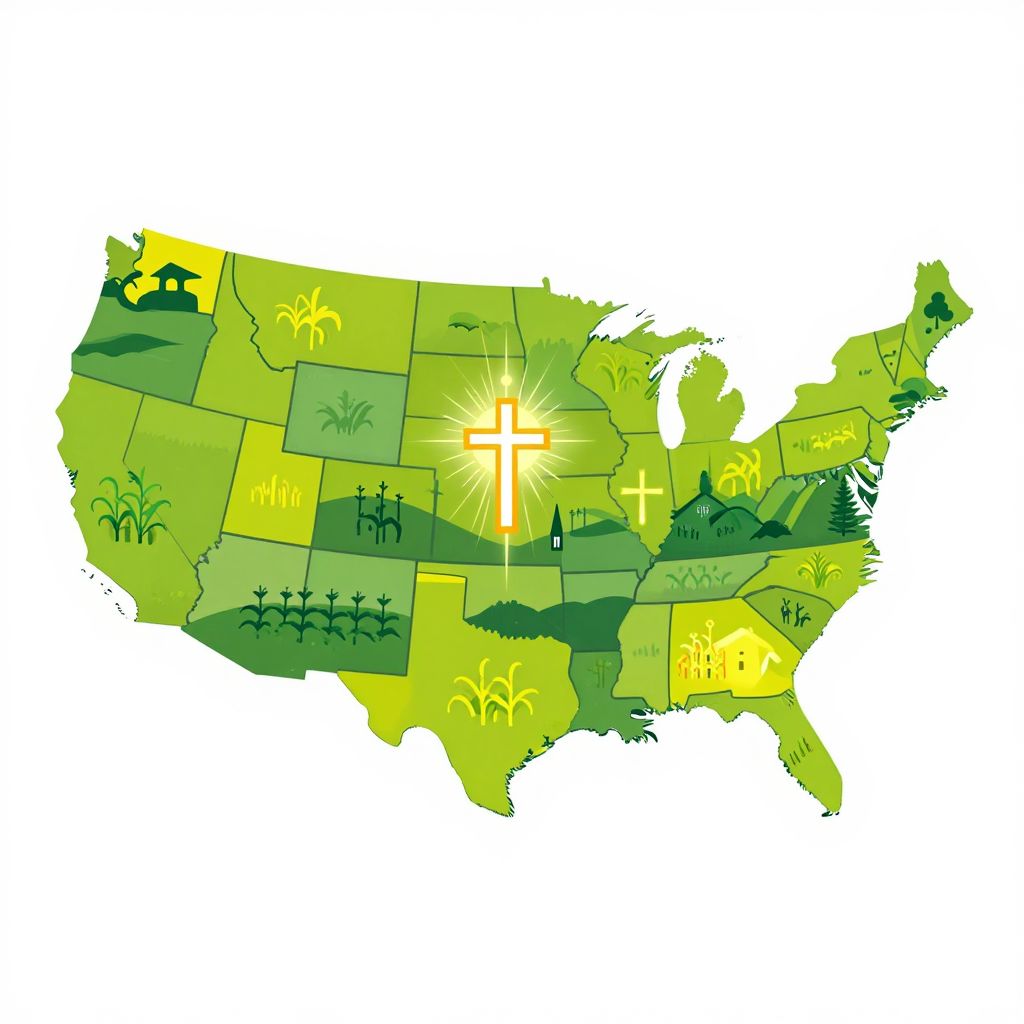
Have you ever wondered why some regions in the United States seem to overflow with churches and a particular brand of Christian culture? The area often referred to as the Bible Belt embodies this phenomenon. Understanding the Bible Belt is essential for grasping the spiritual landscape of America and how faith shapes community values in these regions.
At its core, the Bible Belt is defined by a high concentration of Evangelical Christians and a cultural emphasis on biblical values. This article will explore the characteristics, origins, and continuing influence of the Bible Belt, all while grounding our understanding in Scripture.
What Is The Bible Belt?
The Bible Belt is a region in the United States where evangelical Protestantism plays a strong role in social and cultural life. Typically, this area includes states such as Tennessee, Kentucky, Alabama, Mississippi, and much of the southern United States. The emphasis on Christianity influences everything from education to politics.
Characteristics of the Bible Belt
Key characteristics define the Bible Belt and its attitude toward faith:
- High church attendance.
- Strong community ties.
- Conservatism in social matters.
- Evangelism as a cultural norm.
- Biblical literalism among many believers.
These average characteristics lead to a unique spiritual environment that can shape both personal and community values.
Cultural Influence
The values found in the Bible Belt extend beyond religious practice and into daily life. Christianity informs not just worship, but also family dynamics, education, and social services. How does the presence of faith influence local customs and norms?
Consider the way local businesses may close on Sundays, emphasizing a Sabbath rest. Local schools often incorporate prayer, attempting to foster an environment rooted in biblical principles. How might this impact children growing up in the community?
The Historical Roots of The Bible Belt
The origins of the Bible Belt can be traced back to the second Great Awakening in the early 19th century. This revivalist movement significantly shaped the landscape of American Christianity. Why does history matter when discussing modern faith beliefs?
The movement spread through camp meetings and revivals, igniting a passionate faith and a commitment to evangelism that endures today. People eagerly gathered to hear the Word, resulting in thriving churches in these regions.
The Role of the Southern Baptist Convention
The Southern Baptist Convention (SBC) has played a pivotal role in the Bible Belt. Founded in 1845, the SBC became a dominant force in Southern Christianity. Its influence reaches far and wide, encouraging biblical literacy and evangelism.
Why is this convention so significant? A commitment to the authority of Scripture defines the SBC’s mission, echoing the value placed on Scripture in this region. People often find comfort and guidance within the teachings of the SBC, helping define their spiritual journey.
Social and Political Dynamics
The Bible Belt also nurtures strong ties between faith and politics. Many citizens identify their beliefs with conservative politics. What does the Bible say about contributing to society?
Isaiah 1:17 instructs believers to seek justice and care for the oppressed. In the Bible Belt, many take such callings seriously, advocating for social issues that align with their understanding of Scripture. However, how does this interplay of faith and politics affect discourse in a diverse society?
The Bible Belt Today
Today, the Bible Belt remains a vibrant and diverse community of faith. While its core values remain, challenges arise. Cultural shifts and increasing secularism influence the traditional landscape. How do changing societal norms impact the dynamics of faith in these areas?
The Rise of Secularism
Secular attitudes, particularly among younger generations, challenge the historical dominance of evangelical Christianity in the Bible Belt. Doubts about belief systems and the authority of Scripture emerge more frequently. This situation raises questions: What does this shift mean for churches striving to engage younger believers?
Believers must develop strategies that resonate with younger generations without compromising their core values. Maintaining faithfulness requires creativity, humility, and a willingness to adapt.
Challenges and Opportunities
Many churches face challenges in relevance, yet they can also view this as an opportunity. How can spiritual communities reframe their approach to appeal to an ever-changing society?
Innovative outreach methods, community service initiatives, and efforts to respond to social justice issues can plant seeds for renewed faith. By engaging with the communities they serve, churches can reflect Christ’s love in action.
Living Faithfully in the Bible Belt
For individuals living in the Bible Belt, the call to live faithfully unfolds in unique ways. How do believers stand firm in their convictions?
Emphasizing Biblical Literacy
Believers should prioritize biblical literacy, encouraging everyone to engage with the Word of God. Scripture guides the heart and mind. What verses inspire and challenge you?
Consider dedicating time to daily devotions and group Bible studies. Applying Scripture to daily life fosters growth and deeper understanding.
Engaging with the Community
Active involvement in local communities nurtures vibrant faith. How does your local congregation engage with your community?
Participating in outreach, community service, and prayer initiatives demonstrates love for others and invites them into a relationship with Christ.
The Future of the Bible Belt
The future of the Bible Belt is not predetermined. Believers hold a vital responsibility to stay rooted in faith while engaging with a changing world. What legacy do you want to create through your actions and beliefs?
Practicing love, kindness, and patience toward neighbors and non-believers can shape understanding and interaction. God calls each believer to be a light in their community. How can light shine brightly in the midst of darkness?
Ultimately, the Bible Belt remains a testament to the enduring influence of Christianity in America. Even as culture shifts, the call to fellowship, serve, and love remains constant.
Prayer and Perseverance
Through prayer, believers gain strength and clarity in their mission. How often do your prayers align with God’s heart for your community?
Prayer helps believers navigate challenges and trust in God’s sovereignty, reminding them of His promises and plan.
Conclusion
The Bible Belt serves as a vital reflection of faith’s role in shaping culture and community. Through embracing Scripture, addressing social issues, and engaging with others, believers can contribute positively to their surroundings.
Each individual must carry the light of Christ into their spheres of influence. What steps will you take today to embody love and hope in your community?
Prayer can be a powerful weapon against discouragement and fear. Spend time in prayer, asking God how He wants you to shine as a witness.
If you wish to explore more faith-based topics and articles, consider delving into related subjects, such as What Is A Bible Thumper? or What Does the Bible Say About Politics?.