
Have you ever wondered what it means to truly cause someone to stumble in their faith? The Bible presents stark imagery to depict the severity of leading others astray. In this context, the term “millstone” emerges with striking significance. This article will explore what a millstone represents in Scripture and why understanding this image is crucial for our Christian walk.
A millstone in the Bible often symbolizes a heavy weight, punishment, or serious consequences for those who lead others into sin. It appears in teachings of Jesus as a warning against harming the faith of the vulnerable. The message behind this imagery calls us to consider our actions and their impact on others.
What Is A Millstone In The Bible?
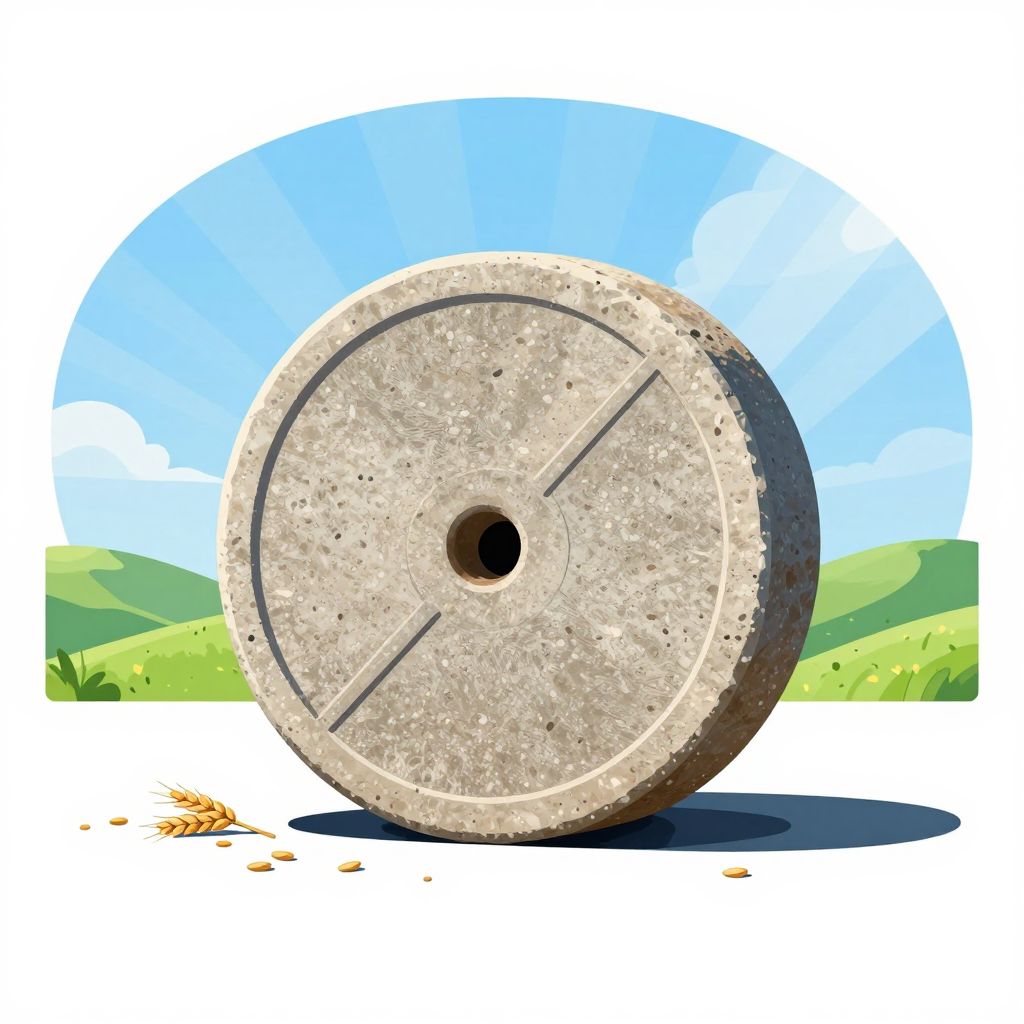
A millstone in the Bible refers to the large stone used to grind grain into flour. Its weight and size convey a sense of burden and consequence, particularly in the teachings of Jesus. The imagery serves as a powerful metaphor for the idea of causing someone to fall away from faith.
Biblical Uses of Millstone
Millstones are mentioned several times throughout Scripture. They were essential tools in ancient agricultural societies, required for basic food preparation. The Bible refers to millstones in various contexts, but the warnings from Jesus are particularly poignant. In Matthew 18:6, Jesus states, “If anyone causes one of these little ones—those who believe in me—to stumble, it would be better for them to have a large millstone hung around their neck and to be drowned in the depths of the sea.”
This passage highlights not just the physical weight of a millstone, but also the spiritual implications of leading others away from Christ. It paints a grim picture of the seriousness of sin and the importance of taking care when influencing others.
Context of Millstone Imagery
The context of Jesus’ statement comes in a discussion about humility among believers. He emphasizes the value of childlike faith and warns against causing harm to these “little ones.” Jesus uses the image of the millstone to illustrate how grievous it is to hurt the faith of the innocent.
Have you ever considered how your words or actions might impact someone’s faith? This reflection is critical in the Christian community, where every believer has a responsibility to uplift and guide others rather than becoming a stumbling block.
The Heavy Weight of Responsibility
The millstone imagery serves as a reminder of the weight of responsibility that comes with being part of the body of Christ. Romans 14:12 states, “So then, each of us will give an account of ourselves to God.” This accountability emphasizes that our actions matter, especially concerning others’ faith lives.
Leading or Misleading?
Consider how quickly one can lead another astray—through bad advice, sinful behavior, or even careless words. Engaging in gossip, leading others into temptation, or neglecting to share the truth can weigh heavily on the believer. This is a serious calling to self-examination.
What kind of influence do you have in your community? Do your actions reflect Christ, or are they leading others away from Him? Each of us must take responsibility for our impact, especially since our lives can connect or disconnect others from the grace of God.
Millstones and Accountability
Accountability often feels burdensome because it is. However, it is necessary. The metaphor of a millstone acknowledges that leading others astray carries great consequences. It invites believers to consider their spiritual health and the health of those around them.
Will you choose to be a source of encouragement or a source of stumbling? The decision could affect the eternal destinies of those who look to you for guidance.
Consequences Highlighted by Millstone Imagery
The consequences of leading others astray are significant. Jesus’ statement about the millstone acts as a stark warning for anyone in a position to influence others. This metaphor extends beyond the literal act of leading someone into sin; it encompasses neglecting the responsibility to nurture and protect faith.
Understanding Sin’s Impact
Sin does not merely harm the sinner; it ripples outward, harming those around them. 1 Corinthians 5:6 reminds us, “Don’t you know that a little yeast leavens the whole batch of dough?” This illustrates how one person’s sin can have a corrupting effect on an entire community.
As believers, our conduct matters. Are we being mindful, knowing that our actions can lead to significant consequences not just for us but for the faith of others as well?
The Urgency of the Message
Jesus’ message contains an urgency that cannot be overlooked. The image of drowning with a millstone feels extreme, yet it reveals how serious the consequences can be for those who mislead. This highlights the need for genuine accountability and caring for the faith of others.
Taking this to heart means living intentionally. Ask yourself: how do your actions reflect your love for Christ and the community around you? Do they invite others in or drive them away?
Millstones in the Old Testament
The Old Testament references to millstones provide additional context. In Deuteronomy 24:6, God commands, “No one is to take a pair of millstones—not even the upper one—as collateral for a debt, for that would be taking a person’s livelihood as collateral.” Here, the millstone symbolizes one’s means of survival.
This command emphasizes the value of life and livelihood. Just as one should not take away another’s means of survival, so too should one protect the faith of others. The lessons carried forward remind us of the weight of consequences tied to our actions.
In 2 Samuel 11:21, we find another instance where millstones become significant. The story recounts the death of Uriah, illustrating how destructive actions lead to devastating consequences. What parallels exist between this and our spiritual lives? Are we, in our pursuits and decisions, creating havoc that could lead someone’s faith to falter?
Living Faithfully with the Weight of Millstone
The warnings surrounding the millstone compel us to live with a sense of purpose and responsibility. The Christian walk is not solely about personal salvation but also about being a steward of others’ faith. Every believer is part of a larger, interconnected body.
Steps for Being a Faithful Influencer
Consider these practical steps to ensure you contribute positively to the faith of others:
- Engage in regular prayer for those you influence.
- Choose words carefully, reflecting Christ’s love.
- Seek accountability within the Christian community.
- Encourage others through acts of service and kindness.
- Be a source of truth, upholding biblical teachings.
Each of these steps can help you foster an environment that nurtures faith rather than stifles it. What specific actions can you take today to better reflect the love of Christ in your interactions with others? Be conscious of how your conduct can lead others closer to God.
The Invitation to Grace
Even in the heavy warnings surrounding the millstone imagery, the overarching message of Scripture is one of grace and redemption. Every believer has the opportunity to repent and seek restoration. The beautiful truth is that God desires to provide mercy where we may fall short.
Responding with Grace
Understanding the harsh realities of leading others astray should prompt a heartfelt response. Grace covers sin and provides a way for restoration. As you reflect on your responsibilities towards others, remember that there is hope for change.
The message of the gospel invites us into a relationship where we are both accountable and forgiven. As we seek to walk in faith, we can help lift those around us, guiding them through life’s challenges.
Christ as Our Example
Jesus embodied the ideal of leading others. He lived truthfully, never causing anyone to stumble. Instead, He offered hope and fulfillment. His love motivated His every action, and as His followers, we are called to imitate that love and humility.
Consider how Christ’s example influences your interactions. Are you leading with love or leading others astray? Reflecting on Christ’s transformative love strengthens the call to live with intention and grace.
Echoes of a Millstone Today
The concept of the millstone resonates well beyond ancient cultures. In today’s context, the urgency of Jesus’ warning remains applicable. The stakes are incredibly high when it comes to influences within our families, friendships, and communities.
Spiritual Consequences
We live in a world screaming for authenticity. As believers, we must remember that every choice—big or small—affects our testimony and the lives of those around us. The question stands: are we constructing bridges toward Christ or barriers that keep others from Him?
It serves as a reminder that the way we engage with others has spiritual consequences. Who is watching your life today? What example are you setting for them about faith in Christ?
Conclusion: Choosing Faithfulness
Ultimately, the image of the millstone in the Bible serves as a challenging reminder of our responsibilities as followers of Christ. Every action bears weight, and our choices do not occur in isolation; they ripple through others’ lives.
Embrace the opportunity to encourage and uplift, recognizing the accountability God calls us to. Seek His wisdom in how to engage meaningfully with those entrusted to you while reflecting on how you avoid becoming a cause of stumbling. Remember, we are called not just to live our faith but to actively nurture the faith of others.
Have you been considering your impact on those around you? Take this moment to commit to leading others with intention and care. With prayerful reflection and trust in God, each believer has the power to influence those around them positively.
As you explore more faith-based topics and articles, consider delving into what a scepter means in the Bible or the significance of a sodomite in biblical texts. Each of these studies can deepen your understanding and enrich your walk with Christ.