
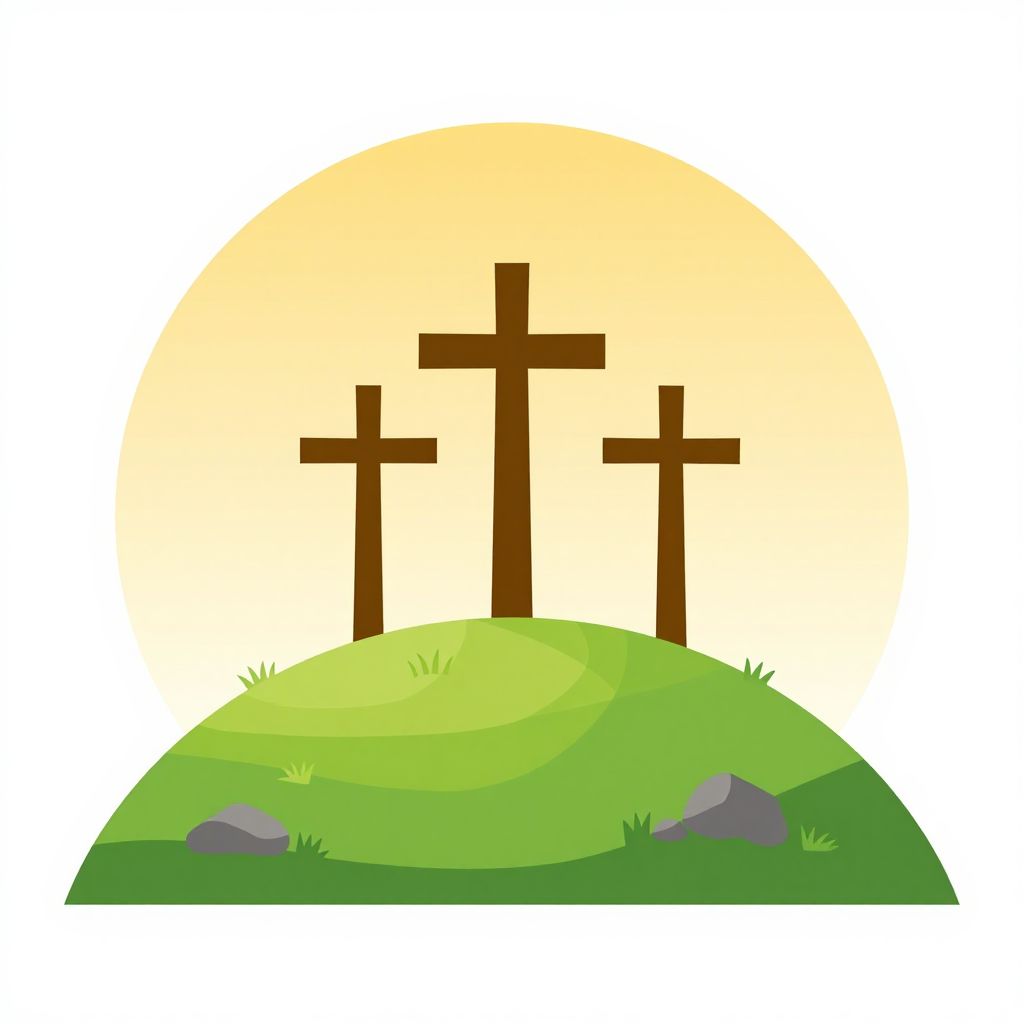
Have you ever paused to consider the staggering weight of the hill known as Golgotha? The site where Jesus was crucified holds profound significance, not just in the history of Christianity but in the heart of every believer. Recognizing this hill invites a deeper understanding of Christ’s sacrifice and God’s redemptive plan for humanity.
Golgotha, often referred to as “the Place of the Skull,” serves as the backdrop for the most pivotal event in human history. Exploring this location uncovers scriptural truths that can strengthen our faith and deepen our appreciation for Jesus’ sacrifice.
What Hill Was Jesus Crucified On?
Jesus was crucified on Golgotha, a hill outside of Jerusalem. The name Golgotha comes from the Aramaic word meaning “skull” because the place resembled a skull. This location is confirmed in the Gospels, each describing the tragic yet triumphant moment of the crucifixion.
Scriptural References to Golgotha
The Gospels of Matthew, Mark, and John each identify Golgotha as the crucifixion site. Matthew 27:33 (NIV) states, “They came to a place called Golgotha (which means ‘the place of the skull’)” while Mark 15:22 reiterates this: “They brought Jesus to the place called Golgotha (which means ‘the place of the skull’).” The consistency of the accounts underscores the importance of this location.
John 19:17 further emphasizes this by saying, “Carrying his own cross, he went out to the place of the Skull (which in Aramaic is called Golgotha).” Each mention points us back to the enormity of what transpired there.
The Significance of the Name
Understanding why Golgotha is referred to as “the place of the skull” adds depth to the narrative. The skull symbolizes death, a striking reminder of the heavy price that sin demands. This hill became synonymous with suffering yet transformed into a symbol of hope through Christ’s resurrection.
This transformation echoes the powerful truth found in 1 Corinthians 15:54-55 (NIV), which states, “Death has been swallowed up in victory. Where, O death, is your victory? Where, O death, is your sting?” Jesus’ sacrifice on Golgotha defeated death itself.
The Historical Context of Golgotha
Golgotha’s location outside the city walls signifies the shame associated with crucifixion. Roman law dictated that traitors and revolutionaries faced public execution outside the walls of cities. Jesus was deemed a threat to the Roman Empire, leading to this brutal form of punishment.
The crucifixion was not just a punishment; it was psychological warfare. Public execution served as a warning to others who might dissent, allowing people to see the consequences of rebellion against Rome.
Why Outside the City?
The decision for the crucifixion site to be outside Jerusalem carries profound spiritual implications. Hebrews 13:12 (NIV) states, “And so Jesus also suffered outside the city gate to make the people holy through his own blood.” This act mirrored the sacrifices made for sin, pointing to the ultimate sacrifice — Jesus himself.
In this way, Golgotha’s location serves as a reminder of the atoning nature of Jesus’ death. He bore the weight of our sins, leaving behind the walls of the city, symbolically and literally stepping outside the confines of the law to fulfill God’s redemptive plan.
The Symbolism of Crucifixion
The act of crucifixion was more than a physical death; it embodied a deep spiritual reality. Jesus’ death on Golgotha serves as a profound reminder of God’s love for humanity, exemplified through self-sacrifice.
In John 15:13 (NIV), Jesus states, “Greater love has no one than this: to lay down one’s life for one’s friends.” This selflessness on Golgotha reveals God’s heart for His people. He took upon Himself the sins of the world, bearing the burden we could never carry.
The Body and Blood Connection
The crucifixion also connects deeply to the sacrificial system outlined in the Old Testament. The shedding of blood represents life and the consequence of sin. Jesus’ blood, poured out on Golgotha, fulfills the law and establishes a new covenant.
For those who feel weighed down by guilt, Romans 5:8 (NIV) proclaims, “But God demonstrates his own love for us in this: While we were still sinners, Christ died for us.” This truth offers profound freedom, knowing that Golgotha symbolizes both death and the possibility of new life.
Practical Application of Golgotha’s Lessons
Understanding what happened on Golgotha should inspire a response in daily living. This hill holds lessons that can guide the spiritual walk of any believer.
Reflection on Sacrifice
Consider the depth of sacrifice in your life. How does Christ’s example encourage you to serve others selflessly? Reflect on Philippians 2:3-4 (NIV): “Do nothing out of selfish ambition or vain conceit. Rather, in humility value others above yourselves.”
The Call to Live as Christ Lived
Golgotha calls believers not only to acknowledge Christ’s sacrifice but also to embody it. Are there areas in your life where you can lay down your desires for the sake of others? Every small act of kindness can reflect the heart of Christ.
The Impact of Golgotha Across Time
The significance of Golgotha stretches beyond the confines of the New Testament. The death of Christ continues to reshape lives and influence cultures around the globe. This location transformed from a place of execution to a monument of hope and resurrection.
In Revelation 21:4 (NIV), God promises, “He will wipe every tear from their eyes. There will be no more death or mourning or crying or pain, for the old order of things has passed away.” The power of Golgotha extends into eternity, offering hope beyond the grave.
Golgotha in Christian Practice
Golgotha serves as a central theme in Christian practice, especially through communion. During this sacred observance, believers remember Christ’s sacrifice and the new covenant established through His blood. Each element—a piece of bread and a cup—serves as a tangible reminder of what Jesus endured on that hill.
As you partake in communion, ask yourself how you can apply the lessons of Golgotha. What does it mean to carry your cross daily? How does recognizing Jesus’ sacrifice empower you to forgive and love others?
Why Does This Matter Today?
In a world filled with pain and suffering, the hill of Golgotha invites hope. It challenges believers to rise above societal pressures and extend grace to others. The message of Golgotha calls each believer to represent Christ in a world that desperately needs His light.
Isaiah 53:5 (NIV) reminds us, “But he was pierced for our transgressions, he was crushed for our iniquities; the punishment that brought us peace was on him, and by his wounds, we are healed.” This verse encapsulates the heart of Golgotha, representing both suffering and restoration.
A Hopeful Response
In response to Golgotha, believers have the opportunity to share the transformative power of the Gospel. How can you take steps to share the message of hope today? Consider ways to connect with your community, reflecting the love of Christ in tangible actions.
Acts 1:8 (NIV) encourages believers to be witnesses of Jesus, starting in their own neighborhoods and extending to the ends of the earth. Embrace this calling, letting the truth of Golgotha inform every interaction you have.
Conclusion: The Enduring Legacy of Golgotha
Golgotha stands as a testament to God’s love, forgiveness, and redemptive plan. The hill reminds believers of the sacrifice made on their behalf and the hope and restoration that flows from it. Embrace the truth that Jesus’ death was not the end, but the beginning of new life.
Reflect on your spiritual journey in light of Golgotha. Make a conscious effort to align your life with the principles learned from Jesus’ sacrifice. Consider starting with a simple prayer of gratitude and recognition of His great love.
If you desire to explore more faith-based topics, visit our other articles. To better understand the implications of Jesus’ death, take a look at what mountain did Jesus die on or ponder where Joseph was during the crucifixion in where Joseph was when Jesus was crucified.