
Do you ever wonder what the Bible says about dietary restrictions? The topic of unclean animals can stir confusion and curiosity among believers. Understanding what these animals represent in Scripture reveals more about God’s nature and His desires for His people.
This article explores the concept of unclean animals in the Bible, focusing on their scriptural basis and what they mean for Christians today. Through a careful examination of passages in Leviticus and their implications, we seek to uncover timeless truths about holiness, obedience, and God’s character.
What Are Unclean Animals In The Bible?
In the Bible, unclean animals are specific creatures defined in the books of Leviticus and Deuteronomy that God prohibits His people from eating. These animals include some mammals, birds, amphibians, and seafood. Notably, their classification emphasizes God’s call for His people to maintain holiness and separation from the surrounding cultures.
God’s Call for Holiness
Leviticus 11 details various animals that the Israelites were not to consume. God declared certain creatures unclean to teach His people about purity. He wanted them to reflect His holiness in their daily lives.
Why does God care about what we eat? The laws surrounding unclean animals symbolize a deeper spiritual reality. They point toward the importance of living according to God’s standards rather than societal norms.
Categories of Unclean Animals
Understanding the types of unclean animals shows us God’s criteria for these classifications. Animals were categorized mainly into four groups: mammals, seafood, birds, and insects.
Unclean Mammals
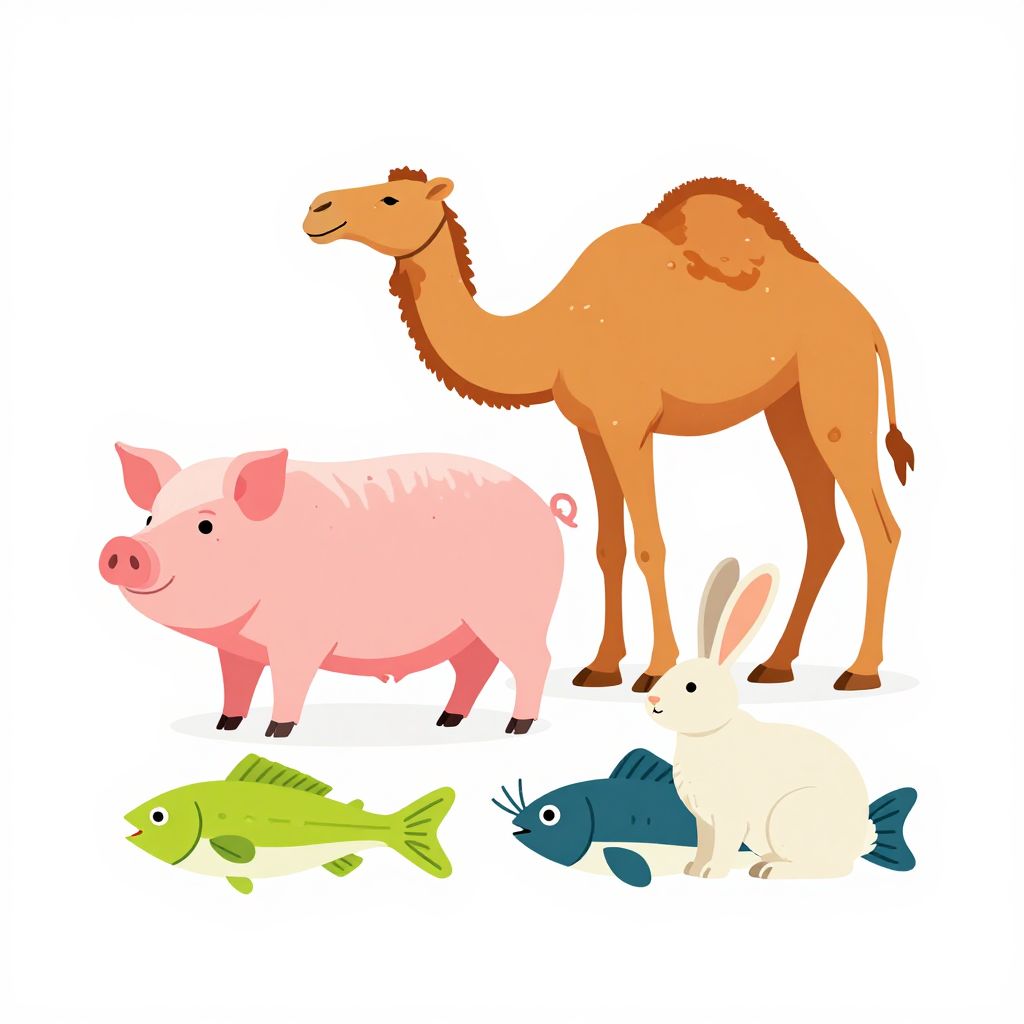
In Leviticus 11:3-8, God lists specific mammals as unclean based on their chewing habits and physical characteristics. The animals that fall into this category include:
- Camels
- Rabbits
- Pigs
Each of these animals possesses traits that disqualify them. For instance, pigs do not chew the cud, despite having cloven hooves, making them ceremonially unclean.
Unclean Seafood
According to Leviticus 11:9-12, God designated seafood as unclean unless they possess both fins and scales. This restriction excludes various popular seafood, including:
- Shellfish (e.g., shrimp, crab, and lobster)
- Catfish
- Certain types of eels
This distinction highlights God’s guidelines for purity in His people’s diets, reinforcing the principle of holiness.
Unclean Birds
In Leviticus 11:13-19, God lists specific birds He deems unclean. Common examples included:
- Eagles
- Vultures
- Owls
- Ravens
These birds, often scavengers or predatory, symbolize a state of impurity and sinfulness, representing a divine principle in dietary laws.
Unclean Insects
Leviticus 11:20-23 speaks about unclean insects, allowing only those that have jointed legs for hopping. Thus, the unclean insect category encompasses mainly:
- Most flying insects
- Beetles
- Grasshoppers (the only exemption)
These classifications remind the Israelites to maintain a separation from the unclean, centering their lives around God’s holiness.
Spiritual Significance of Clean and Unclean Animals
God’s guidelines about clean and unclean animals serve as powerful reminders of His character. They reflect the need for purity in worship and living. By obeying these dietary restrictions, the Israelites displayed their loyalty to God.
Ritual Purity and the Holiness of God
The concept of cleanliness and uncleanliness emphasizes God’s holiness. In Leviticus 11:44-45, God states, “I am the Lord your God; consecrate yourselves and be holy, because I am holy.” This call to holiness underscores God’s desire for His people to walk in purity and righteousness.
Have you considered how dietary choices reflect your commitment to holiness? When believers honor God in every area of life, it strengthens their walk with Him.
Separation from the Nations
The dietary laws functioned as a means of separation from surrounding nations. By adhering to these standards, the Israelites distinguished themselves as God’s chosen people. This principle of separation remains relevant for Christians today.
Maintaining a distinction from worldly practices helps believers stay faithful to God’s commands. Are there areas in your life where you feel the pressure to conform to societal norms? Reflect on God’s call to holiness.
The New Testament Perspective
As we move into the New Testament, Jesus’ arrival signals a shift regarding food laws. In Mark 7:18-19, He declares all foods clean. This statement emphasizes that dietary restrictions from the Old Testament served a purpose but are not binding for Christians today.
Understanding Jesus’ Teachings
Jesus reinterprets the dietary laws not as a rejection of holiness but as an illustration of internal purity. He emphasizes that what comes from the heart matters more than external rituals (Mark 7:21-23).
This teaching invites believers to focus on the spirit of the law rather than the letter. The heart’s condition defines our relationship with God. Are you examining your heart as you reflect on your own actions and choices?
Peter’s Vision
Acts 10 recounts Peter’s vision in which God reveals that no food is unclean. God prepares Peter for a divine mission to share the Gospel with Gentiles. The vision signifies the dismantling of the Old Testament restrictions, showing that the Gospel is for all nations.
This pivotal moment teaches that God’s message transcends cultural barriers and dietary laws. What does it mean for you to embrace the diversity of God’s creation in your faith community?
Living in Light of Dietary Laws
While believers are not bound by the same dietary restrictions, learning from these laws can shape our understanding of God’s character. Understanding unclean animals in the Bible highlights God’s desire for holiness and purity.
Making Wise Choices
Christians are called to make wise dietary choices that honor God. Reflect on the principles of stewardship, health, and holiness.
- Choose foods that nourish your body and spirit.
- Consider how your choices align with a lifestyle reflecting God’s holiness.
- Seek to live in community with fellow believers, encouraging one another in healthy choices.
How can you honor God through your dietary habits? Engage in thoughtful conversations about food choices with fellow believers.
Maintaining a Heart of Worship
As Christians, every aspect of life, including eating, should be focused on glorifying God. Colossians 3:17 urges, “And whatever you do, whether in word or deed, do it all in the name of the Lord Jesus.”
Eating can become an act of worship when approached with a heart of gratitude. Are your meals opportunities to thank God for His provision?
Conclusion
Understanding what the Bible declares as unclean animals calls believers to reflect on holiness, purity, and God’s character. While the dietary laws of the Old Testament may no longer apply, their spiritual significance remains relevant.
As you consider your choices, strive to honor God through your dietary habits, focusing on what truly nourishes your heart and soul. Engage with others around you, fostering a community dedicated to pursuing God’s righteousness.
Explore more faith-based topics and articles like Is Eating Pork a Sin in the Bible? and What Did Jesus Eat? to deepen your understanding and enrich your Christian walk.
2 thoughts on “What Are Unclean Animals In The Bible? (Meaning Explained)”