
Have you ever wondered about the figures behind familiar names in Scripture? The name “John” appears multiple times in the Bible, and each instance carries its significance. Understanding these different Johns helps us appreciate their roles in God’s story, revealing deeper truths about His character and plan.
This article will explore the various individuals named John in the Bible. Each John offers a different perspective relevant to Christian life, illuminating aspects of faith, leadership, and relationship with Jesus.
How Many Johns Are In The Bible?
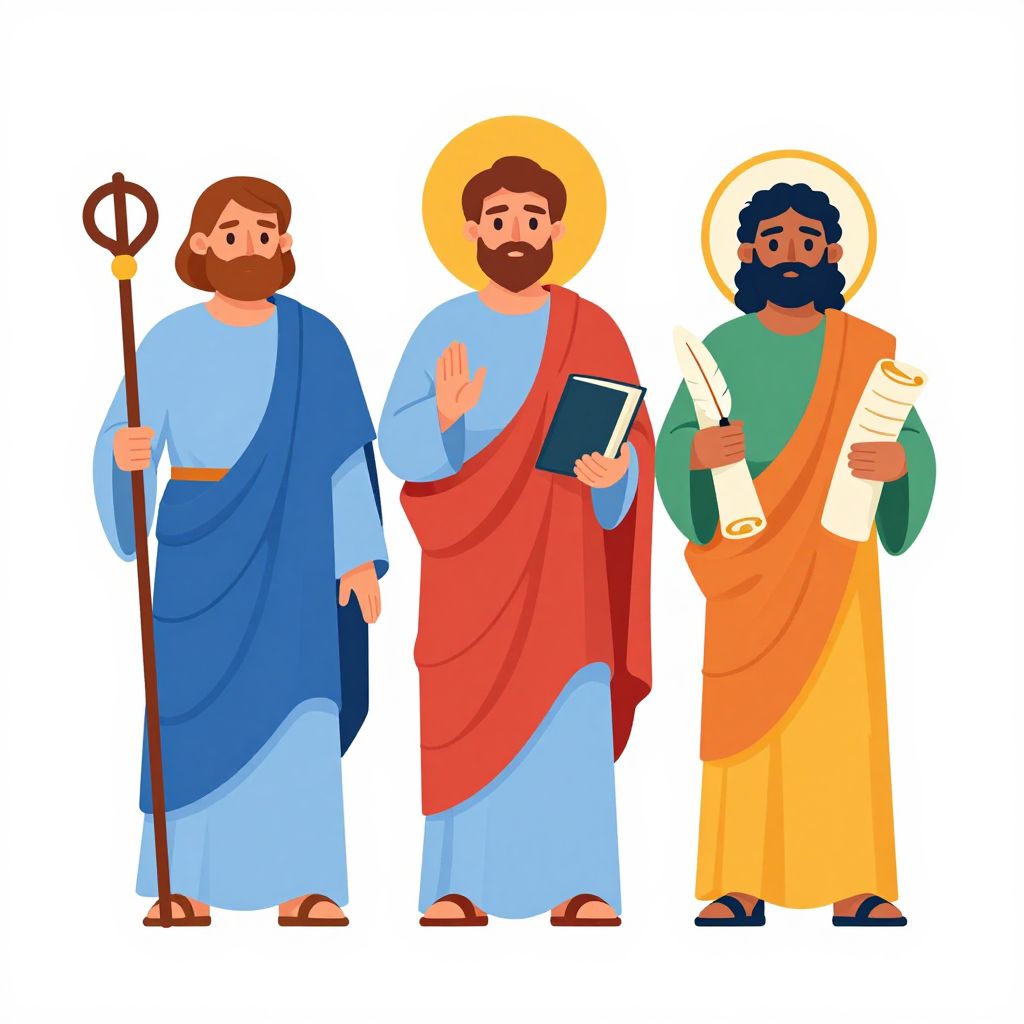
The Bible mentions five prominent figures named John. These include John the Baptist, John the Apostle, John son of Zebedee, John the Elder, and John Mark. Each of these Johns plays a unique role in the biblical narrative, contributing to the overall message of Scripture.
1. John the Baptist
John the Baptist stands out as a significant figure in the New Testament. He is known for his ministry of baptism and his role in preparing the way for Jesus. In Isaiah 40:3, the prophecy foretold of a voice crying in the wilderness, and John fulfilled this by calling people to repentance.
His bold proclamation of truth ultimately led to his imprisonment and martyrdom. He modeled a life of humility, famously stating, “He must become greater; I must become less” (John 3:30, NIV).
2. John the Apostle
John the Apostle is also known as the beloved disciple. He authored five New Testament books: the Gospel of John, three epistles, and the Book of Revelation. John’s writings emphasize the love of God and the divinity of Christ.
As a close follower of Jesus, John provides a personal and intimate view of Jesus’ life and teachings. His relationship with Jesus is a profound example of how the intimate knowledge of Christ transforms a believer’s life.
3. John son of Zebedee
John son of Zebedee is the same individual known as John the Apostle. He was part of Jesus’ inner circle, alongside Peter and James. This trio witnessed key events, such as the Transfiguration and moments of deep agony in the Garden of Gethsemane.
Understanding John’s identity as the son of Zebedee highlights the human aspect of Jesus’ ministry—working with fishermen and ordinary people whom He transformed into extraordinary followers.
4. John the Elder
Some scholars believe John the Elder refers to another distinct John, separate from John the Apostle. He is associated with early Christian writings and the church’s teachings in the first century. John the Elder likely played a crucial role in guarding the purity of the Gospel.
Assuring sound doctrine is vital in any believer’s life. This John, although less prominent, offers insight into spiritual leadership and the protection of truth within the early church.
5. John Mark
John Mark is the author of the Gospel of Mark. He is associated with the early church and is mentioned in the Book of Acts as a companion of Paul and Barnabas. His journey includes a brief falling out with Paul, demonstrating the human challenges in ministry and relationships.
Mark’s story reflects the theme of grace and redemption. Despite his earlier failings, he ultimately became a valued co-worker in the kingdom of God, reminding us that our past does not define our future.
Understanding Each John’s Contribution
Each John in Scripture illustrates varied aspects of the Christian faith. Recognizing their contributions helps us comprehend the broader narrative of salvation history.
John the Baptist: The Call to Repentance
John the Baptist’s ministry is characterized by calling people to repentance. His baptism was a sign of cleansing, preparing hearts for Jesus’ message. This spirit of repentance is essential for Christians today.
How can we foster a spirit of repentance in our lives? Regular self-examination, prayer, and seeking God’s guidance allow believers to realign with His purpose.
John the Apostle: An Intimate Relationship with Christ
John’s close relationship with Jesus illustrates the importance of intimacy in our walk with God. His writings encourage believers to deepen their connection with Christ, understanding His love as the core of the Gospel message.
Consider the question: Are we cultivating that same intimacy in our prayer lives and study of Scripture? A genuine relationship with Jesus transforms how we live, love, and relate to others.
John son of Zebedee: From Fisherman to Follower
John’s transformation from a fisherman to an apostle emphasizes God’s ability to change lives. This transformation invites every believer to consider their calling. No one is too ordinary for God’s extraordinary work.
Reflect on your own journey: What transformation has God completed in your life? Identifying spiritual growth encourages believers to remain open to God’s leading.
John the Elder: Protecting the Faith
John the Elder reminds us of the importance of doctrinal integrity and guidance. He emphasizes the need for addressing false teachings, safeguarding the authenticity of the Gospel. Leaders in the church today must also be vigilant in maintaining the truth.
How can you contribute to the health of your church community? Engaging in discussions about faith strengthens believers’ understanding and draws them deeper into God’s truth.
John Mark: Redemption and Restoration
John Mark’s journey shows the possibility of redemption and restoration after failure. He highlights that setbacks do not disqualify us from God’s plans. The early church embraced John Mark, demonstrating grace and support for those who falter.
How do we extend grace to others? As believers, we must cultivate supportive environments, readily offering forgiveness and second chances, ensuring no one feels cast aside.
The Importance of Names in Scripture
Names in the Bible carry deep meanings and reflect identity and purpose. The name “John” itself means “God is gracious.” Each John embodies aspects of grace and truth, encouraging believers to recognize God’s grace in their lives.
The Name John: A Reminder of Grace
Throughout the biblical narrative, the presence of “John” serves as a powerful reminder of God’s grace at work in humanity. Each figure named John reflects the heart of God, from preparing the way for Christ to showcasing the transformative power of His grace.
As believers, how often do we pause to consider the grace God has extended to us? Reflecting on that grace inspires a life of gratitude and service.
Lessons from the Johns in Scripture
The stories of these five Johns impart timeless lessons for all believers. They remind us of the call to repentance, the significance of deepening our relationship with Christ, the power of transformation, and the necessity of protecting truth.
Consider which lesson resonates with you most. Is there an area of your life where God is calling you to deeper commitment, restoration, or leadership?
Practical Takeaways from the Lives of Johns
Applying the lessons from these figures named John can enhance spiritual growth. Here are practical takeaways for daily living:
- Make repentance a habitual part of your prayer life, seeking God’s guidance for areas of growth.
- Invest in building an intimate relationship with Jesus through prayer, worship, and Scripture study.
- Identify ways to encourage transformation in your community, just as Jesus did with His first disciples.
- Be vigilant about protecting the integrity of your faith, resisting false teachings.
- Extend grace to those who stumble, fostering an environment of love and support.
John’s Legacy in the Church Today
The legacies of these Johns continue to influence Christian thought and action. Their lives embody the principles of discipleship, faithfulness, and grace which remain relevant for the church today.
Consider this challenging question: How can you honor the legacy of these Johns in your own life? Finding ways to apply their lessons can help in growing your faith and encouraging others.
Exploring the Lives of Johns in Further Depth
The significance of each John stretches beyond mere historical accounts. They challenge believers to examine their faith and the daily application of God’s truths in challenging times. Examining biblical characters provides insight into God’s work throughout generations.
For those eager to learn more about various biblical figures or the text itself, consider diving into studies on other key topics, such as How Many Books in the Bible Did Paul Write? This can offer broader biblical insights. Understanding how many individuals share names and their impact enriches faith’s journey.
Final thoughts invite believers to reflect on God’s ongoing revelation through Scripture. Each John helps us forge a deeper understanding of God’s character and His call for all believers to live authentically for Him.
For more insightful articles that deepen faith, explore other faith-based topics and articles. Consider looking into names like How Many People Are Named Jesus? to broaden your understanding of biblical representation and significance.