
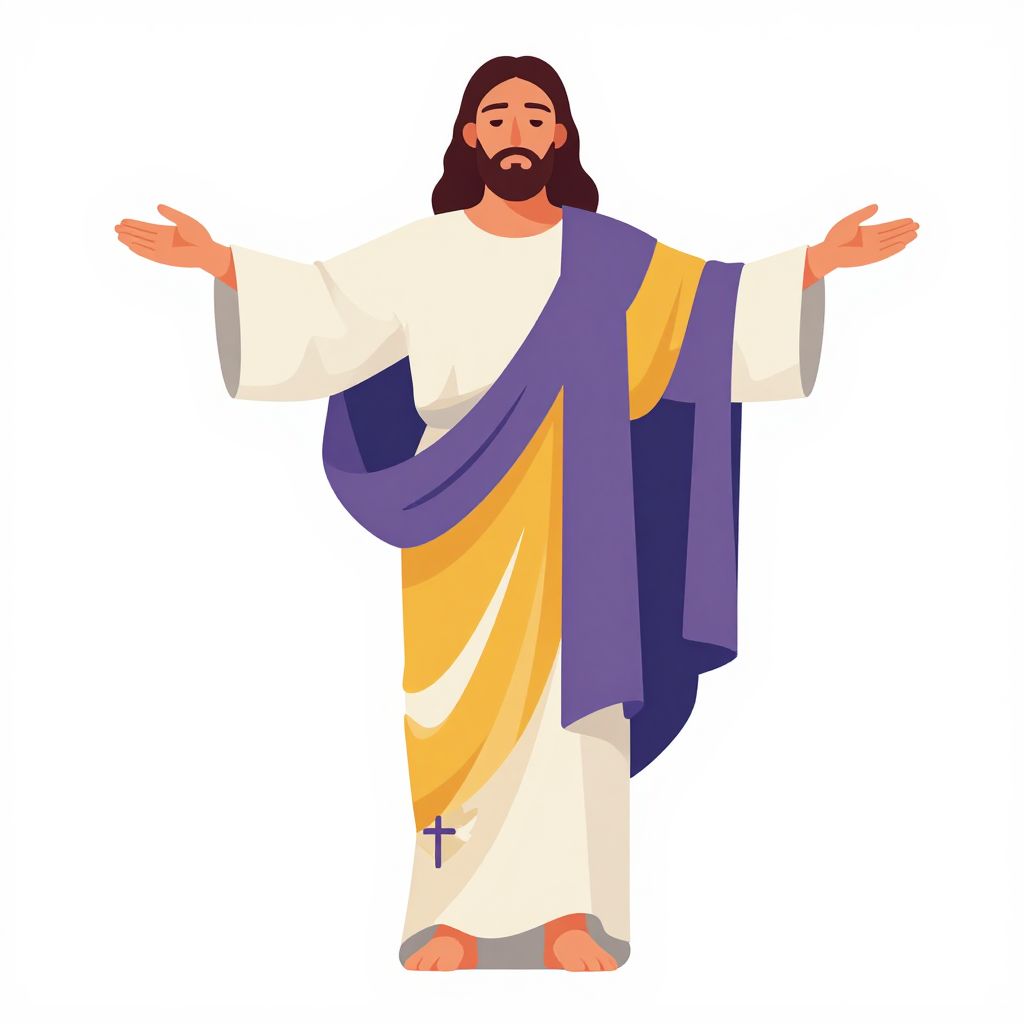
Have you ever encountered the idea that Jesus might have a tattoo? This thought may seem strange or humorous, yet curiosity continues to arise in various circles. The answer lies in Revelation 19:16, where it is mentioned that Jesus has a name written on His thigh: “King of Kings and Lord of Lords.” This article will explore the significance of this passage and what it means for our understanding of Christ’s identity and authority.
Understanding the context of this scripture is essential. It echoes the grand narrative of the Bible, showcasing the majesty and power of Jesus. This topic matters because it invites us to reflect upon who Jesus is in our lives and how we respond to His sovereignty.
Does Jesus Have A Tattoo On His Thigh?
In a literal sense, Jesus does not have a traditional tattoo as understood in contemporary culture. The verse in Revelation 19:16 refers to “a name written” on His thigh, portraying His authority and kingship. This figurative language communicates deeper truths about His identity and reign rather than conveying a physical characteristic.
Understanding Revelation 19:16
The passage reads, “On His robe and on His thigh, He has this name written: King of kings and Lord of lords” (Revelation 19:16, NIV). Here, John, the author of Revelation, uses vivid imagery to depict Jesus’ ultimate authority. This name epitomizes His position over all earthly rulers.
Why is this imagery so powerful? It draws on the cultural practices of the time, where names held significant power. In a world where kings and leaders often identified themselves through titles and symbols, Jesus publicly declares His sovereignty through this naming.
Names in Scripture
Names carry great weight in the Bible. They often signify character, purpose, or destiny. For example, the name “Jesus” itself means “Yahweh saves,” highlighting His mission as our savior. In Hebrew tradition, names reveal much about a person’s identity.
Similarly, the name “King of Kings” signifies that Christ reigns supreme over all kings and rulers, ultimately emphasizing His divine authority. This awareness invites believers to recognize that Jesus is far beyond earthly powers.
The Implications of Jesus’ Authority
What does Jesus being “King of Kings and Lord of Lords” mean for us? This truth has significant implications for daily living and faith practices.
Trusting in His Sovereignty
When challenges arise, do you find solace in the knowledge of Jesus’ supremacy? Recognizing His reign can transform despair into hope. It assures us that nothing escapes His authority and control.
Consider Romans 13:1, which teaches that all governing authorities are established by God. If Jesus is the ultimate authority, then every leader operates under His sovereignty, reminding us of His overarching plan.
Living as Citizens of His Kingdom
Being a citizen of Christ’s kingdom requires a response. How do you reflect His authority in your life? As followers of Jesus, we must embody His values and spread His love. This means exercising grace, pursuing justice, and sharing the Good News.
Philippians 3:20 states, “But our citizenship is in heaven. And we eagerly await a Savior from there, the Lord Jesus Christ.” This verse encourages believers to live with heavenly priorities, aware of their true allegiance to God’s kingdom.
Debating the Cultural Relevance
The topic of tattoos often stirs debate within Christian circles. Some view tattoos as a form of self-expression, while others see them as contrary to biblical principles. So, does the idea of Jesus having a tattoo challenge our perceptions?
Examining Biblical Context
Leviticus 19:28 says, “Do not cut your bodies for the dead or put tattoo marks on yourselves. I am the LORD.” This scripture indicates that the Israelites were to be set apart, showing fidelity to their identity as God’s people. However, the cultural relevance of such laws can differ when assessing Jesus’ righteousness.
One must consider the heart behind the practice. Is your motivation to bring glory to God or to make a personal statement? Evaluating your intent can lead to deeper understanding and discernment in areas that challenge the church.
Redefining Tattoo Meanings
Interestingly, if we view Jesus’ name as the ultimate tattoo on His thigh, it transforms the conversation. It highlights His purpose and authority, illustrating that symbolism matters deeply within Christianity. It also opens the door to dialogue about personal expression in faith.
Reflect on tattoos as identifiers of beliefs and values. People often tattoo names, phrases, or images that resonate with their spiritual journey. What do these symbols signify for you? How do they represent your faith?
The Personal Application
Scripture invites us to reflect on how Jesus’ authority shapes our daily lives. Rather than focusing solely on external appearances or symbolic representations, we should cultivate a heart aligned with His mission.
Responding in Worship
Worship transcends our physical expressions, drawing us closer to our Savior. How can your life reflect a posture of worship? Are you surrendering control to the “King of Kings”?
Worship also extends beyond music or gathering; it permeates our actions, choices, and relationships. Colossians 3:17 says, “And whatever you do, whether in word or deed, do it all in the name of the Lord Jesus.” This call challenges believers to examine their daily lives through a lens of honor and reverence.
Engaging with Others
As we live under Jesus’ authority, reaching out to others becomes paramount. How can you share the significance of His name with those around you? Storytelling and relational engagement often create pathways to discuss faith naturally.
Acts 1:8 commands believers to be witnesses in Jerusalem, Judea, Samaria, and the ends of the earth. Intentional engagement means recognizing our surroundings and cultivating opportunities to share truth. Consider how Jesus’ name influences conversations with family, friends, and colleagues.
Conclusion
Jesus does not have a traditional tattoo; rather, the imagery of His name on His thigh signifies His unparalleled authority and identity. Acknowledging Him as “King of Kings and Lord of Lords” reshapes our understanding of sovereignty and invites us into deeper relationship with Him.
Residing within His kingdom provides hope amidst uncertainty. This reality encourages us to reflect Jesus’ light in a world that seeks meaning. Take time today to pray, asking God to reveal how you can embody His authority in your life and share His love with others.
Explore more faith-based topics and articles to deepen your walk with God and learn more about Jesus as our Lord and Savior. Discover powerful insights about His identity in Jesus is Lord and understand how He illuminates our lives in Jesus is the Light.