
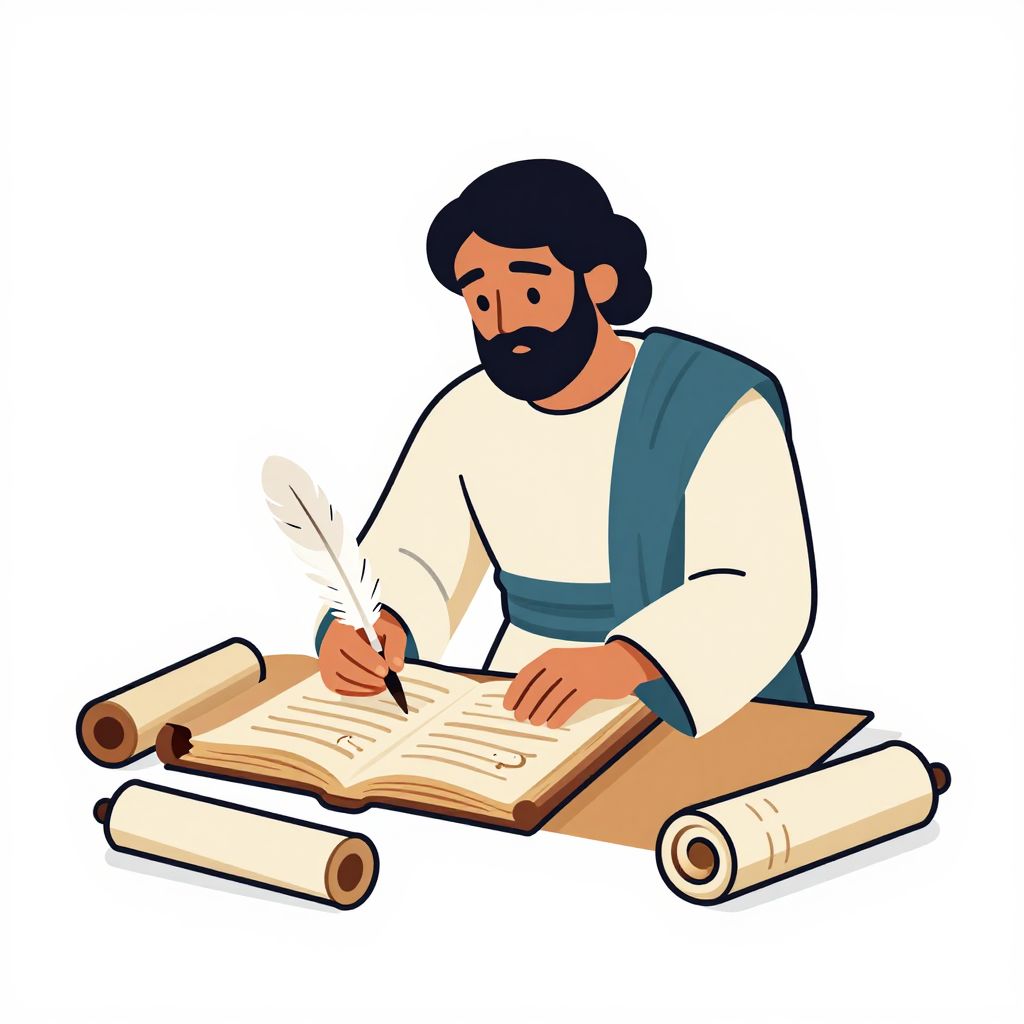
Have you ever wondered who the scribes mentioned in Scripture really were? Their role might seem obscure, but their impact on the biblical narrative and the preservation of God’s Word is profound. Understanding the scribes provides insight into how God’s message was recorded, interpreted, and taught throughout history.
This article explores the role of scribes in the Bible, examining their responsibilities, significance, and how they connect to God’s unfolding plan for humanity. By learning who these scribes were, we can appreciate their contribution to our faith and the preservation of Scripture.
What Are Scribes In The Bible?
Scribes in the Bible were professional writers and record keepers responsible for copying, interpreting, and teaching Scripture. They were instrumental in preserving the Law and other important texts, providing guidance to the people of Israel.
Roles and Responsibilities of Scribes
Scribes held various significant functions in biblical society. They acted as clerks, teachers, and legal experts. Their primary responsibilities included:
- Transcribing and copying texts accurately.
- Teaching the Law and instructing others.
- Interpreting Scripture for various audiences.
- Recording legal documents and maintaining archives.
The Scribes and the Law
The Law of Moses was central to the Jewish faith. Scribes were charged with the critical task of maintaining its integrity. They carefully copied the Torah, ensuring that the teachings remained unchanged through generations.
Nehemiah 8:1-3 demonstrates the vital work of Ezra, a scribe and priest, who brought God’s Law before the people after they returned from exile. He read the Law aloud, providing understanding to all those present. This highlights the important role scribes played in ensuring the Word of God was not only preserved but understood.
The Historical Context of Scribes
To fully grasp the significance of scribes, it is helpful to understand their historical background. Scribes evolved in the ancient Near East and the Jewish community played a crucial role in their development. With the exile and return, their importance increased significantly.
The Evolution of Scribes
Initially, scribes were known as “soferim,” meaning “those who count.” They meticulously counted the letters and words as they copied texts to avoid errors. Their profession became increasingly respected, evolving over time.
Scribes in the New Testament
In the New Testament, scribes appeared frequently alongside Pharisees. They often intersected with Jesus’ ministry, representing a group often opposed to His teachings. Matthew 23 captures Jesus’ sharp critique of the scribes and Pharisees for their hypocrisy and legalism.
Jesus warned the people against following their practices, highlighting the distinction between external religious observance and genuine faith. Understanding this conflict can deepen one’s appreciation for the transformative message of the Gospel.
Why Scribes Matter for Today’s Believers
Considering the role of scribes in biblical history invites reflection on our own relationship with God’s Word. Their dedication to accurately copying and teaching Scripture encourages believers to value the Bible deeply.
Preserving God’s Word
The meticulous work of the scribes allows Christians today to hold the Bible in their hands. The historical accuracy of the Scripture is a testament to God’s faithfulness in preserving His Word through human means.
Teaching and Interpretation
Just as scribes interpreted the Law, Christians today must strive to understand Scripture deeply. Engaging with the Word fosters spiritual growth and guides everyday decisions.
Examples of Scribes in the Bible
Several significant scribes appear within the biblical narrative:
- Ezra: A pivotal figure during the Babylonian exile, he led the return to Jerusalem and re-established the Law (Ezra 7:10).
- Daniel: Though known as a prophet, Daniel also served as a scribe during his time in Babylon (Daniel 9:2).
- Nehemiah: A cupbearer to the king, Nehemiah was instrumental in rebuilding Jerusalem and reintroducing the Law (Nehemiah 8:9).
The Work of Scribes in Community
Scribes were not only individual record-keepers but also vital to the religious community. Their teaching and preservation efforts influenced the spiritual lives of many.
Role in Worship
Scribes led worship by reading and interpreting Scripture. They aided in public understanding of God’s Law and kept the traditions alive. This form of communal engagement enriched the people’s relationship with God.
Importance of Teaching
Their expert teaching ensured that God’s commands were clearly understood, and they played an active role in the nation’s moral fabric. This highlights the significance of sound teaching within the church today.
The Influence of Scribes Today
In an age saturated with information, the example of scribes invites believers to be diligent in their understanding of Scripture. They provide a model for how to engage with God’s Word faithfully.
The Call for Accurate Interpretation
Scribes took care with every letter and word. Contemporary believers can follow their example through responsible reading and study of the Bible. Wrong interpretations can lead to confusion and misbelief.
The Community of Believers
Just as scribes served their communities, everyone is called to contribute to the body of Christ. Sharing insights and teaching others helps strengthen the faith of everyone within the community.
Engaging with the Legacy of Scribes
Reflecting on the role of scribes in the Bible leads to practical steps for applying their legacy in the life of faith today.
Prioritize Scripture Study
Make a personal commitment to study the Bible regularly. Here are practical steps to consider:
- Set aside specific times for reading and reflection.
- Use study resources like commentaries to deepen understanding.
- Join Bible study groups for shared insights.
Value Teaching
Encourage sound teaching in all church settings. Engage with teachers who prioritize Scripture and emphasize accurate interpretation. This includes:
- Listening actively during sermons.
- Asking questions to gain clarity.
- Seeking resources that encourage strong biblical foundations.
Preserve Your Own Faith Story
Just as scribes preserved the Law, keeping a record of personal faith experiences helps clarify and strengthen beliefs. Writing down prayers and reflections helps track spiritual growth.
Closing Thoughts
The work of scribes in the Bible illustrates the profound importance of preserving and teaching God’s Word. Their dedication ensures that believers today can engage with Scripture faithfully.
By valuing the lessons learned from the scribes, Christians can commit to a deeper relationship with God’s Word, honoring its transformative power in their lives. Where does your engagement with Scripture stand today? Consider ways to enrich your faith through study and community.
Explore more faith-based topics and articles that foster your spiritual journey. Learn about what is Scripture in the Bible, or discover how we got the Bible to gain further insights into God’s Word.
1 thought on “What Are Scribes In The Bible? (Meaning Explained)”